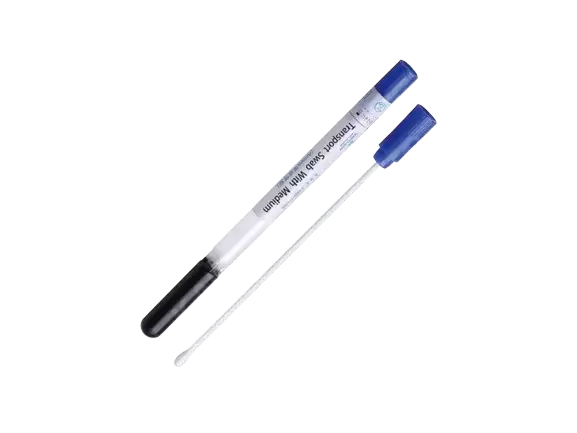
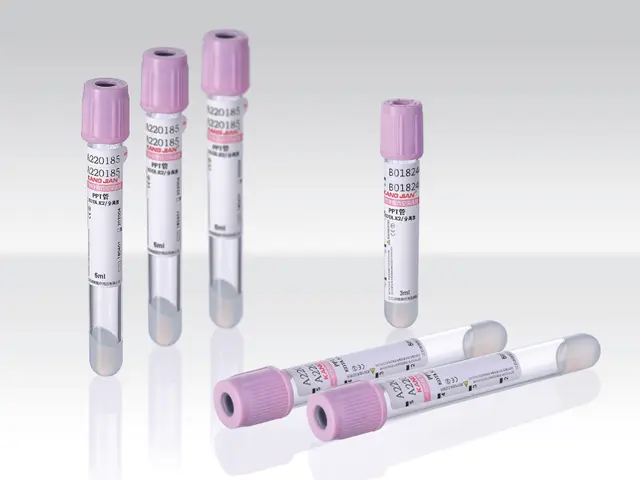
A biological culture vessel is an important part of controlled biological culture processes, providing a defined environment for cultivating cells, microorganisms, tissues, or other biological materials. As bioprocessing becomes increasingly precise, vessel design and process compatibility have become important considerations for laboratories, biotechnology companies, and biomanufacturing facilities.
Understanding the technical requirements surrounding a biological culture vessel can help establish consistent culture conditions and support reliable process development.
Biological Culture Vessel Design for Controlled Culture Conditions
The design of a biological culture vessel directly affects how biological materials are maintained during cultivation. Internal volume, vessel geometry, surface characteristics, and operating configuration all need to correspond with the intended culture process.
Working Volume and Headspace
Working volume is an important parameter in biological culture operations. The usable culture volume determines how much biological material and culture medium can be processed within the vessel, while headspace provides additional space above the culture medium.
Maintaining an appropriate relationship between working volume and total vessel volume can help accommodate changes during cultivation and support consistent process conditions. For larger-scale systems, volume management also becomes important when transferring a process from laboratory development to production.
Vessel Geometry and Culture Environment
The internal geometry of a biological culture vessel can influence liquid distribution, available culture surface, and the overall configuration of the process.
Different biological culture processes may require different vessel geometries depending on whether the culture is performed in a liquid medium, on a surface, or within a controlled three-dimensional environment. Consistent vessel dimensions can also contribute to repeatable process development and scale-up studies.
Surface Characteristics
The material and surface condition of the culture area can influence interaction between the biological material and the vessel. For cell-based processes, surface characteristics may be particularly important because attachment, growth, and recovery can depend on the interaction between cells and their surrounding substrate.
For this reason, biological culture vessels used in different processes may require specifically engineered or treated surfaces according to the intended culture methodology.
Material and Sterility Requirements for Biological Culture Vessels
Material selection is closely related to biological compatibility, sterilization requirements, chemical resistance, and manufacturing consistency. A biological culture vessel must maintain its physical and chemical integrity throughout the intended process.
Materials for Biological Culture Processes
Common vessel materials may include laboratory-grade plastics, glass, stainless steel, or other engineered materials depending on the scale and process requirements. Each material has different characteristics related to transparency, mechanical strength, chemical resistance, temperature tolerance, and manufacturing methods.
For disposable culture systems, polymer-based materials are often evaluated according to their biological compatibility and extractables profile. For reusable systems, mechanical durability and resistance to repeated cleaning and sterilization cycles become increasingly important.
Sterilization and Contamination Control
Sterility is a fundamental consideration in controlled biological culture. Contamination from microorganisms or foreign substances can compromise experimental results and production processes.
Depending on vessel material and process requirements, sterilization may involve methods such as autoclaving, gamma irradiation, chemical treatment, or other validated procedures. The selected sterilization method should be compatible with the vessel material and should not negatively affect its intended performance.
Chemical Compatibility
Culture media, cleaning agents, buffers, and process chemicals can interact with vessel materials. Chemical compatibility should therefore be evaluated under the actual operating conditions rather than based solely on general material specifications.
Stable material performance helps maintain consistent culture conditions and reduces the possibility of unwanted material degradation during processing.
Process Control Parameters in Biological Culture Vessels
A biological culture vessel functions within a broader controlled process. Parameters such as temperature, pH, dissolved gases, nutrient conditions, and culture duration can influence biological activity and process consistency.
Temperature and pH Management
Temperature and pH are commonly monitored parameters in biological culture. Different biological systems have different acceptable operating ranges, making accurate monitoring important for maintaining controlled conditions.
The vessel and its associated monitoring system should support stable measurement throughout the culture period. Reliable sensor integration and appropriate sampling arrangements can help reduce uncertainty during process development.
Dissolved Oxygen and Gas Exchange
For aerobic biological cultures, oxygen availability can be an important process parameter. The relationship between the culture medium, gas phase, vessel configuration, and process equipment affects the available oxygen conditions.
Gas exchange requirements can vary substantially between biological systems. Therefore, vessel design and process control need to be considered together when developing controlled culture processes.
Culture Duration and Monitoring
Culture duration may range from short laboratory experiments to extended bioprocessing cycles. During longer processes, changes in biological activity and culture conditions may require continuous or periodic monitoring.
A suitable biological culture vessel should support the required monitoring and sampling workflow without unnecessarily disturbing the culture environment.
Manufacturing and Quality Control of Biological Culture Vessels
Consistent manufacturing is essential when biological culture vessels are used for repeatable laboratory or bioprocessing procedures. Dimensional accuracy, material consistency, surface quality, sealing performance, and sterility assurance can all contribute to product consistency.
Dimensional and Manufacturing Consistency
Small variations in vessel dimensions or surface characteristics can affect process reproducibility, particularly when biological culture procedures are performed repeatedly.
Manufacturers therefore need controlled production processes and inspection procedures to maintain consistency between production batches.
Packaging and Storage Conditions
Packaging plays an important role in maintaining vessel cleanliness and sterility after manufacturing. Packaging materials and sealing methods should protect the vessel from contamination, moisture, physical damage, and environmental exposure during transportation and storage.
Storage conditions should also correspond with the material and sterilization requirements of the biological culture vessel.
Quality Documentation and Traceability
For professional laboratory and bioprocessing environments, documentation can be an important part of product management. Batch identification, material information, sterilization records, inspection data, and manufacturing traceability can support quality control throughout the product lifecycle.
Clear documentation also helps laboratories and manufacturers maintain consistent procedures when biological culture vessels are used across multiple production or research batches.
Conclusion
A biological culture vessel provides the physical environment required for controlled biological culture processes. Its working volume, geometry, materials, sterility requirements, chemical compatibility, process monitoring capability, and manufacturing consistency can all influence the reproducibility of culture operations.
For laboratories and bioprocessing manufacturers, understanding these technical factors provides a foundation for developing controlled, repeatable, and scalable biological culture processes.