Every accurate laboratory result begins with one critical step—blood collection. Even the most advanced analyzers cannot compensate for poor-quality specimens caused by improper collection techniques or unreliable equipment. As healthcare systems continue to prioritize diagnostic accuracy, patient safety, and workflow efficiency, the blood collection device has become one of the most essential tools in modern clinical practice.
Blood samples support an enormous range of medical decisions, including disease diagnosis, health screening, treatment monitoring, emergency medicine, and scientific research. Hospitals, diagnostic laboratories, blood banks, and clinics perform millions of blood collection procedures every day, making consistency and safety vital requirements.
Today's blood collection devices are designed not only to obtain high-quality blood samples but also to reduce contamination, minimize patient discomfort, prevent needlestick injuries, and improve laboratory efficiency. Continuous innovation in materials, safety engineering, and vacuum technology has transformed blood collection into a highly standardized medical procedure.
This article explores how modern blood collection devices work, their major components, technological developments, clinical applications, and why they remain indispensable throughout the healthcare industry.
Why Blood Collection Devices Matter More Than Ever
Laboratory medicine influences the majority of clinical decisions. The reliability of diagnostic results depends heavily on specimen integrity before analysis even begins.
A professional blood collection device helps healthcare providers achieve:
- Consistent sample volume
- Reduced hemolysis
- Lower contamination risk
- Improved patient comfort
- Standardized collection procedures
- Faster laboratory processing
- Better diagnostic accuracy
Errors occurring during specimen collection often require recollection, delaying diagnosis while increasing both healthcare costs and patient inconvenience.
Modern blood collection systems are specifically engineered to reduce these preventable errors.
Understanding What a Blood Collection Device Is
A blood collection device refers to medical equipment specifically designed to safely obtain blood specimens from patients for diagnostic, therapeutic, or research purposes.
Rather than being a single product, it represents an integrated collection system that may include:
- Blood collection needles
- Needle holders
- Vacuum blood collection tubes
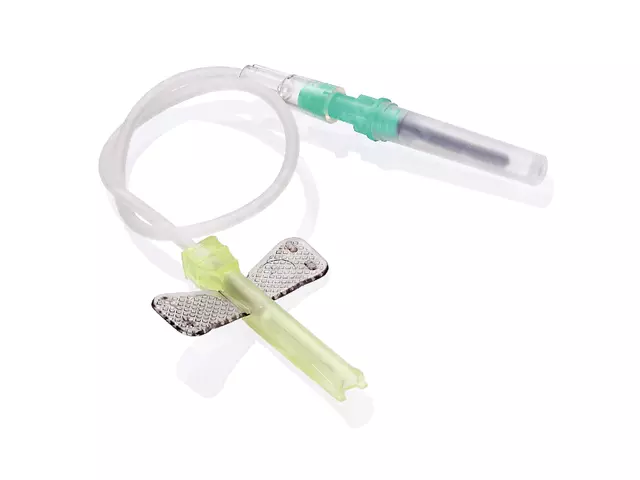
- Winged infusion sets (butterfly needles)
- Safety blood collection devices
- Capillary blood collection devices
- Micro blood collection systems
- Blood transfer devices
Each component works together to maintain sample quality while protecting both patients and healthcare professionals.
The Evolution of Blood Collection Technology
Blood collection has advanced significantly over the past century.
Traditional Syringe Collection
Earlier blood sampling relied primarily on standard syringes.
Although effective, syringe collection often resulted in:
- Variable sample volume
- Increased hemolysis
- Greater contamination risk
- Higher exposure to bloodborne pathogens
- More manual specimen transfer
These limitations encouraged the development of standardized collection systems.
Vacuum Blood Collection Systems
Vacuum technology revolutionized blood collection by allowing predetermined negative pressure inside collection tubes.
The vacuum automatically draws the required amount of blood once the vein is accessed.
Benefits include:
- Consistent sample volume
- Minimal handling
- Reduced contamination
- Faster collection
- Better specimen preservation
- Improved workflow efficiency
Today, vacuum blood collection systems remain the global standard for venous blood sampling.
Main Components of a Blood Collection System
An efficient blood collection system relies on carefully matched components.
Blood Collection Needle
Medical-grade stainless steel needles provide:
- Sharp penetration
- Reduced patient discomfort
- Stable blood flow
- Minimal tissue trauma
Many modern needles include silicone coatings that further improve insertion smoothness.
Needle Holder
The holder securely connects the needle with vacuum collection tubes.
Its design allows multiple tubes to be collected from a single venipuncture without repeated needle insertion.
This improves patient comfort while increasing collection efficiency.
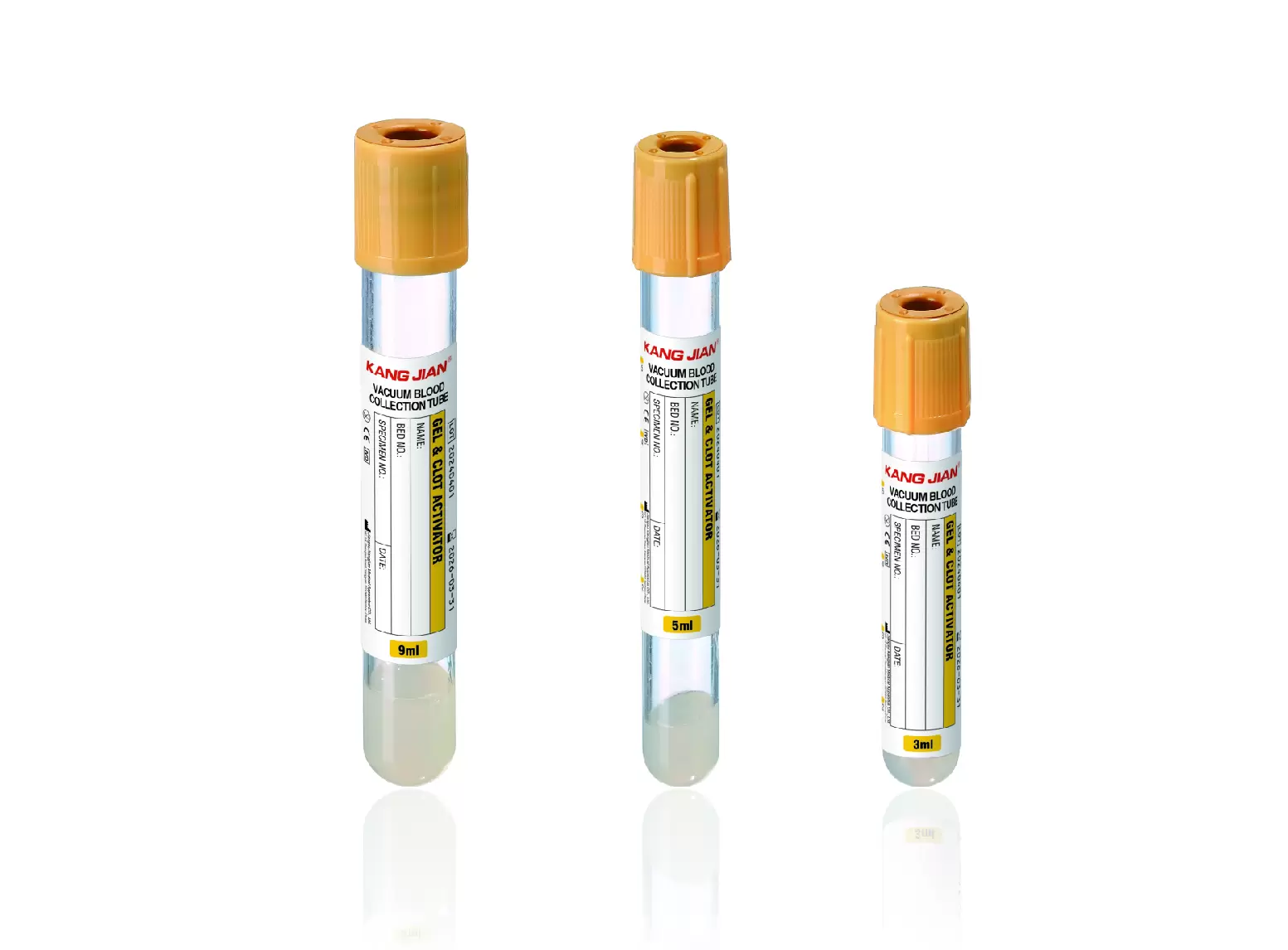
Vacuum Blood Collection Tube
Vacuum tubes contain precisely calibrated negative pressure.
Different tube types include specific additives such as:
- EDTA
- Sodium citrate
- Heparin
- Fluoride
- Clot activators
- Gel separators
Each additive supports particular laboratory analyses.
Safety Shield
Safety-engineered blood collection devices incorporate protective mechanisms that automatically cover or retract the needle immediately after use.
Benefits include:
- Needlestick prevention
- Reduced occupational exposure
- OSHA compliance
- Safer disposal
Safety devices have become increasingly important in hospitals worldwide.
How Vacuum Blood Collection Improves Sample Quality
Vacuum blood collection technology offers several technical advantages over manual syringe collection.
Controlled Blood Flow
Vacuum pressure is carefully calibrated to avoid excessive suction.
Controlled blood flow helps reduce:
- Hemolysis
- Cellular damage
- Clot formation
- Specimen degradation
Accurate Blood-to-Additive Ratio
Many laboratory tests require precise ratios between blood and anticoagulants.
Vacuum collection automatically fills each tube to its intended volume, ensuring accurate chemistry and hematology testing.
Reduced Specimen Contamination
Because blood flows directly into sealed collection tubes, exposure to the external environment is minimized.
This improves specimen integrity while protecting healthcare workers.
Safety Features in Modern Blood Collection Devices
Healthcare worker safety has become a major focus across medical institutions.
Modern blood collection devices integrate multiple safety mechanisms.
Automatic Needle Retraction
Some devices retract the needle into the holder after blood collection.
Advantages include:
- Immediate protection
- Reduced accidental injuries
- Safer disposal
Hinged Safety Shields
Protective caps rotate over the needle after withdrawal.
These simple mechanical systems are reliable and cost-effective.
One-Hand Activation
Many safety devices activate using only one hand.
This enables healthcare workers to stabilize patients while safely securing the needle.
Patient Comfort Has Become a Design Priority
Modern manufacturers increasingly optimize blood collection devices for improved patient experience.
Important design improvements include:
Ultra-Sharp Needle Tips
Precision grinding reduces penetration force.
Patients experience:
- Less pain
- Reduced bruising
- Easier venipuncture
Silicone Needle Coating
Medical silicone decreases insertion resistance.
This allows smoother needle entry while minimizing tissue damage.
Flexible Butterfly Sets
Winged infusion sets are ideal for:
- Pediatric patients
- Elderly patients
- Fragile veins
- Oncology patients
Flexible tubing provides greater control during collection.
Capillary Blood Collection Devices
Not every diagnostic test requires venous blood.
Capillary blood collection devices support minimally invasive sampling through fingertip or heel puncture.
Common applications include:
- Blood glucose monitoring
- Neonatal screening
- Point-of-care testing
- Rapid infectious disease testing
- Home diagnostics
Micro blood collection continues growing alongside decentralized healthcare.
Infection Prevention During Blood Collection
Cross-contamination remains a major concern in healthcare environments.
Modern blood collection devices reduce infection risks through:
- Sterile single-use packaging
- Disposable components
- Closed blood transfer systems
- Protective needle shields
- Leak-resistant tube caps
Strict manufacturing quality control ensures every device maintains sterility until use.
Materials Used in Blood Collection Devices
Material selection directly affects safety and performance.
Common materials include:
Medical Stainless Steel
Used for needles because of:
- High strength
- Corrosion resistance
- Excellent sharpness
- Biocompatibility
Medical-Grade Plastic
Needle holders and protective components often use:
- Polypropylene
- Polycarbonate
- ABS
These materials provide durability while reducing manufacturing costs.
Rubber Closures
Blood collection tubes utilize specialized rubber stoppers that maintain vacuum integrity while allowing multiple punctures.
Clinical Applications Across Healthcare
Blood collection devices support virtually every medical specialty.
Clinical Laboratories
Routine laboratory testing includes:
- Complete blood count
- Biochemistry
- Coagulation testing
- Hormone analysis
- Immunology
Hospitals
Hospitals perform blood collection for:
- Emergency care
- Surgery
- Intensive care
- Inpatient monitoring
- Outpatient diagnostics
Blood Banks
Reliable collection devices support:
- Blood donation
- Component separation
- Compatibility testing
- Donor screening
Research Institutions
Medical researchers depend on standardized blood collection devices to ensure reproducible experimental data.
Public Health Programs
Large-scale screening initiatives require reliable collection systems for:
- Infectious disease surveillance
- Prenatal testing
- Population health studies
- Vaccination monitoring
Quality Standards for Blood Collection Device Manufacturing
Medical device manufacturers must comply with rigorous international quality systems.
Typical standards include:
- ISO 13485 Quality Management Systems
- CE certification
- FDA registration (where applicable)
- Good Manufacturing Practice (GMP)
- Sterility validation
- Biocompatibility testing
Quality assurance includes inspection of:
- Needle sharpness
- Vacuum accuracy
- Tube integrity
- Additive consistency
- Packaging sterility
These controls help ensure every blood collection device performs reliably in clinical environments.
Emerging Innovations in Blood Collection Devices
The blood collection industry continues to evolve in response to growing healthcare demands.
Key development trends include:
Enhanced Safety Engineering
Manufacturers are designing smarter passive safety mechanisms that require minimal user intervention while providing greater protection against accidental needlestick injuries.
Low-Volume Blood Collection
As personalized medicine and pediatric diagnostics expand, devices capable of collecting smaller sample volumes without compromising analytical accuracy are becoming increasingly important.
Improved Sample Preservation
Advances in tube additives and specimen stabilization technologies help maintain sample integrity during transportation and extended storage.
Integration with Digital Healthcare
Modern collection systems are increasingly compatible with barcode identification, automated laboratory workflows, and digital traceability, reducing manual errors and improving specimen management.
Sustainable Manufacturing
Environmental considerations are driving manufacturers to optimize material usage, improve production efficiency, and explore recyclable packaging solutions while maintaining strict medical safety standards.
Why High-Quality Blood Collection Devices Improve Laboratory Efficiency
Reliable blood collection equipment offers measurable operational benefits beyond patient care.
Healthcare providers benefit from:
- Fewer rejected specimens
- Reduced recollection rates
- Faster laboratory turnaround
- Lower operational costs
- Improved clinician confidence
- Better patient satisfaction
- Enhanced workflow standardization
When specimen quality is maintained from the beginning of the diagnostic process, laboratories can deliver faster and more accurate results with fewer interruptions.
Future Outlook for Blood Collection Devices
Global demand for diagnostic testing continues to rise due to aging populations, chronic disease management, preventive healthcare, and expanded access to laboratory services.
Future blood collection devices will likely focus on:
- Safer needle technologies
- Greater automation
- Better specimen traceability
- Higher patient comfort
- Compatibility with point-of-care diagnostics
- Smart manufacturing and quality monitoring
As precision medicine continues to advance, reliable blood collection will remain the first and one of the most important steps in delivering accurate clinical information.
Conclusion
The blood collection device is far more than a simple medical consumable—it is the foundation of dependable laboratory diagnostics. From vacuum blood collection systems and safety-engineered needles to capillary sampling devices and advanced specimen preservation technologies, every innovation is designed to improve sample quality, patient safety, and healthcare efficiency.
As diagnostic testing becomes increasingly sophisticated, healthcare providers require blood collection solutions that deliver consistent performance, minimize risks, and integrate seamlessly into modern laboratory workflows. Manufacturers that combine stringent quality control, advanced engineering, and international regulatory compliance are well positioned to support hospitals, laboratories, blood banks, and research institutions around the world.
For organizations seeking reliable diagnostic performance, investing in high-quality blood collection devices is an investment in more accurate test results, safer clinical practice, and better patient outcomes.