In clinical diagnostics, accurate laboratory results are essential for proper patient assessment and medical decision-making. Among routine hematological tests, the erythrocyte sedimentation rate (ESR) remains an important indicator for detecting inflammation, infection, and certain chronic conditions. Although ESR testing is relatively simple in principle, its accuracy depends heavily on proper sample collection and handling.
This is where the sodium citrate ESR tube plays a critical role. Designed specifically for ESR testing, this blood collection tube ensures correct anticoagulation, standardized blood-to-additive ratios, and reliable test conditions. Without a properly designed ESR tube, test results may be inconsistent or misleading.
This article provides a comprehensive and professional overview of the sodium citrate ESR tube, covering its function, composition, working principle, clinical applications, usage procedures, quality standards, and key considerations for selection and procurement. The content is intended for medical laboratories, hospitals, distributors, and healthcare procurement professionals seeking a deeper understanding of ESR blood collection systems.
What Is a Sodium Citrate ESR Tube?
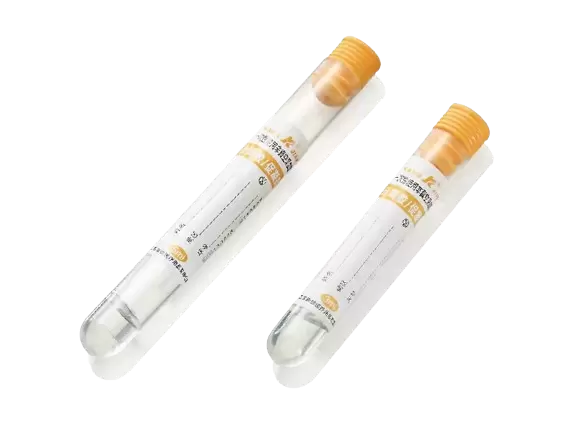
A sodium citrate ESR tube is a specialized blood collection tube pre-filled with a precise concentration of sodium citrate anticoagulant. It is designed exclusively for erythrocyte sedimentation rate testing, ensuring accurate measurement of how quickly red blood cells settle in a vertical column of blood.
Unlike general coagulation or hematology tubes, the sodium citrate ESR tube is optimized for maintaining blood integrity over a specific time frame required for ESR analysis. The tube’s internal volume, additive concentration, and dimensions are carefully controlled to meet laboratory testing requirements.
In clinical settings, sodium citrate ESR tubes are widely used in hospitals, diagnostic laboratories, and research institutions where standardized ESR results are essential.
The Role of Sodium Citrate in ESR Testing
Anticoagulation Mechanism
Sodium citrate functions as an anticoagulant by binding calcium ions in the blood. Calcium is essential for the coagulation cascade, and by chelating calcium, sodium citrate effectively prevents clot formation.
In a sodium citrate ESR tube, this anticoagulation process ensures that blood remains in a liquid state throughout the ESR testing period, allowing red blood cells to sediment naturally under gravity.
Maintaining Blood Cell Integrity
Beyond preventing clotting, sodium citrate helps preserve the natural shape and aggregation behavior of erythrocytes. This is essential for accurate ESR measurement, as changes in cell morphology can affect sedimentation speed.
By maintaining stable blood conditions, the sodium citrate ESR tube supports consistent and reproducible test results.
Why Sodium Citrate ESR Tubes Are Essential for Accurate ESR Results
Standardized Blood-to-Anticoagulant Ratio
One of the most critical aspects of ESR testing is maintaining the correct ratio between blood and anticoagulant. Sodium citrate ESR tubes are manufactured with precise additive volumes to ensure this ratio is achieved automatically during blood collection.
Incorrect ratios can lead to falsely elevated or reduced ESR values, compromising diagnostic accuracy.
Compatibility with ESR Testing Methods
Sodium citrate ESR tubes are designed to be compatible with commonly used ESR testing methods, including manual and automated systems. Their dimensions and internal composition support standardized testing protocols.
Reduced Pre-Analytical Errors
Using a dedicated sodium citrate ESR tube minimizes pre-analytical variables such as clot formation, hemolysis, or improper sample mixing. This improves overall laboratory workflow and result reliability.
Structural Design of a Sodium Citrate ESR Tube
Tube Material and Construction
Most sodium citrate ESR tubes are made from high-quality medical-grade plastic or glass. Plastic tubes offer enhanced safety by reducing the risk of breakage, while glass tubes may be preferred in specific laboratory environments.
The tube material must be chemically inert to avoid interactions with blood or anticoagulant.
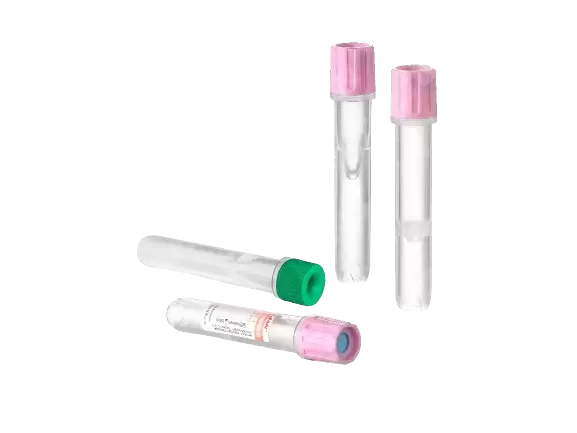
Color Coding and Identification
Sodium citrate ESR tubes are typically color-coded to distinguish them from other blood collection tubes. Clear labeling helps healthcare professionals identify the correct tube quickly and reduce the risk of sample handling errors.
Vacuum System and Volume Control
Vacuum-based sodium citrate ESR tubes are designed to draw a precise volume of blood automatically. This ensures consistent filling and correct anticoagulant ratios without manual measurement.
Clinical Applications of Sodium Citrate ESR Tubes
Inflammation Assessment
ESR testing is commonly used to evaluate inflammatory activity in the body. A sodium citrate ESR tube provides reliable conditions for measuring erythrocyte sedimentation, supporting accurate clinical interpretation.
Monitoring Chronic Conditions
In patients with chronic inflammatory or autoimmune conditions, ESR values are often monitored over time. Consistent results depend on standardized sample collection using sodium citrate ESR tubes.
Supporting Diagnostic Workflows
While ESR is not disease-specific, it serves as a valuable supporting test in diagnostic workflows. Reliable sample collection ensures ESR results can be correlated with other laboratory findings.
ESR Testing Workflow Using a Sodium Citrate ESR Tube
Blood Collection Procedure
Blood is drawn directly into the sodium citrate ESR tube using standard venipuncture techniques. The vacuum system ensures proper fill volume.
After collection, the tube should be gently inverted several times to mix blood with the anticoagulant thoroughly.
Sample Handling and Storage
Samples collected in sodium citrate ESR tubes should be handled according to laboratory guidelines. Excessive shaking or delayed testing may affect sedimentation behavior.
Proper storage temperature and timely analysis are important for result accuracy.
Sedimentation Measurement Process
During ESR testing, the tube is placed vertically, allowing red blood cells to settle over a defined period. The distance the cells fall is measured and reported as the ESR value.
The consistency of this process relies heavily on the quality of the sodium citrate ESR tube.
Advantages of Using Sodium Citrate ESR Tubes in Laboratories
Improved Result Consistency
Standardized tube design and anticoagulant concentration help ensure consistent ESR measurements across different samples and testing sessions.
Enhanced Laboratory Efficiency
By reducing sample rejection and repeat testing, sodium citrate ESR tubes improve laboratory efficiency and workflow.
Compatibility with Automation
Many modern laboratories use automated ESR analyzers. Sodium citrate ESR tubes are designed to integrate seamlessly with these systems.
Quality Standards and Regulatory Considerations
Manufacturing Quality Control
High-quality sodium citrate ESR tubes are produced under strict quality management systems. Consistent additive concentration, tube dimensions, and vacuum performance are essential.
Sterility and Safety Requirements
Medical-grade ESR tubes must meet sterility standards to prevent contamination and ensure patient safety.
Compliance with Medical Device Regulations
For international markets, sodium citrate ESR tubes must comply with relevant medical device regulations and standards applicable to laboratory consumables.
Key Factors When Selecting a Sodium Citrate ESR Tube
Accuracy of Additive Volume
Precise sodium citrate concentration is essential for reliable ESR testing. Buyers should ensure that manufacturers maintain strict control over additive volumes.
Tube Compatibility with Laboratory Equipment
The tube should be compatible with existing ESR testing systems and laboratory workflows.
Material Quality and Transparency
Clear tube walls allow easy visual inspection of samples and sedimentation levels, supporting accurate measurement.
Supplier Reliability and Documentation
Reliable suppliers provide consistent quality, technical documentation, and traceability, which are critical for medical laboratories.
Storage, Handling, and Shelf Life Considerations
Proper Storage Conditions
Sodium citrate ESR tubes should be stored under recommended conditions to preserve vacuum integrity and additive stability.
Shelf Life Management
Each tube has a defined shelf life. Using tubes within their validity period ensures accurate anticoagulant performance.
Transportation and Packaging
Secure packaging protects tubes from damage during transportation and storage, reducing the risk of leakage or vacuum loss.
Role of Sodium Citrate ESR Tubes in Clinical Accuracy
Reducing Variability in ESR Results
Standardized tube design minimizes variability caused by sample collection and handling, improving test reliability.
Supporting Clinical Decision-Making
Accurate ESR results contribute to better clinical assessment when used alongside other diagnostic parameters.
Maintaining Laboratory Confidence
Consistent performance of sodium citrate ESR tubes builds confidence among laboratory professionals and clinicians.
Conclusion
The sodium citrate ESR tube is a specialized and essential tool in clinical diagnostics, designed to support accurate and consistent erythrocyte sedimentation rate testing. Through precise anticoagulation, standardized design, and compatibility with laboratory systems, it plays a key role in ensuring reliable test results.
For hospitals, diagnostic laboratories, and medical distributors, understanding the function, structure, and proper use of sodium citrate ESR tubes is essential for maintaining high testing standards. When selected and used correctly, these tubes contribute significantly to laboratory efficiency, result accuracy, and overall diagnostic confidence in medical practice.