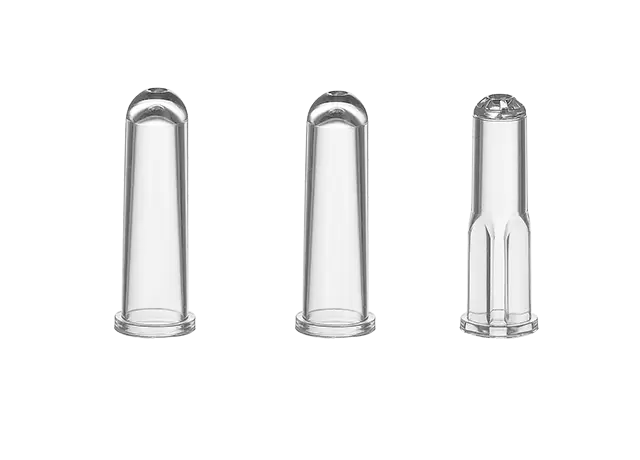
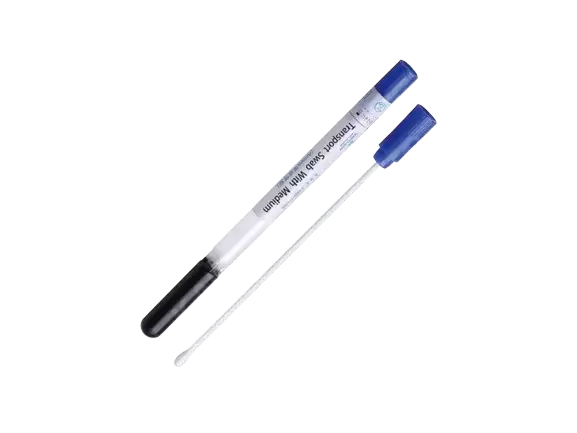
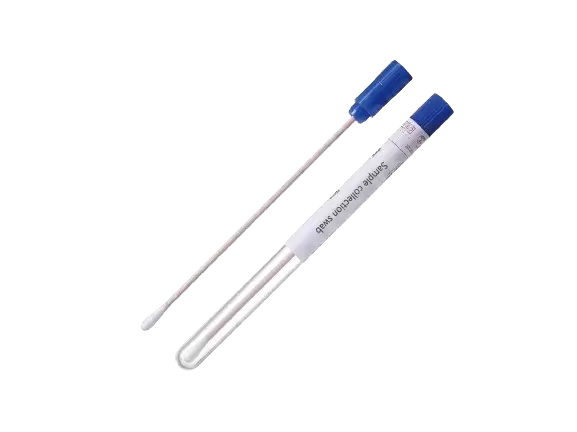
A vacuum blood collection tube may look like a simple laboratory consumable, but its design has a direct relationship with specimen collection and subsequent laboratory processing. Tube vacuum, additive selection, fill volume, material compatibility and manufacturing consistency all need to be controlled according to the intended use.
For hospitals, laboratories, distributors and medical consumable buyers, selecting blood collection tubes should therefore go beyond cap color and unit price. Understanding how different tubes work and how manufacturing quality affects the product is essential when evaluating a long-term supplier.
What Is a Vacuum Blood Collection Tube?
A vacuum blood collection tube, also called an evacuated blood collection tube, is a specimen container manufactured with a predetermined vacuum to draw a specified volume of blood when used with a compatible blood collection system.
Depending on its intended application, the tube may contain an additive designed to support a particular type of specimen or laboratory test. Common categories include tubes containing EDTA, sodium citrate or heparin, as well as serum tubes that may contain clot activators and, in certain configurations, separator gels.
The tube itself may be manufactured from suitable plastic or glass depending on the product design and applicable requirements. The closure system is designed to maintain the required vacuum and protect the specimen during normal handling and transportation within the conditions specified for the device.
The relationship between tube volume, vacuum and additive quantity is particularly important. A tube should collect the intended blood volume so that the specimen is prepared according to the requirements of the specific device and test procedure.
For professional buyers, this means that a blood collection tube should be selected according to its intended use and validated specifications rather than by appearance alone.
How Do Different Vacuum Blood Collection Tubes Affect Sample Preparation?
Different laboratory tests require different specimen conditions. The appropriate vacuum blood collection tube is therefore determined by the type of sample and analytical procedure required.
EDTA Blood Collection Tubes
EDTA tubes contain an anticoagulant that binds calcium and inhibits coagulation. They are commonly associated with hematology applications.
Maintaining the intended relationship between blood volume and additive is important. Underfilling or other collection problems can alter the intended specimen conditions and may affect laboratory results.
After collection, tubes should be handled according to the tube manufacturer's instructions and the laboratory's validated procedures to ensure appropriate mixing of blood and additive.
Sodium Citrate Blood Collection Tubes
Sodium citrate tubes are commonly used for coagulation testing.
The blood-to-anticoagulant ratio is particularly important for these applications, making correct filling a critical consideration. Tubes should therefore be collected and handled according to the manufacturer's specified fill requirements and applicable laboratory procedures.
Because coagulation testing can be sensitive to preanalytical variables, laboratories should follow validated procedures for specimen collection, transport and processing.
Serum Blood Collection Tubes
Serum tubes are intended to allow blood to clot so that serum can subsequently be separated from cellular components.
Depending on the product configuration, the tube may contain a clot activator. Some serum separator tubes also contain a gel designed to form a barrier between serum and cellular components after appropriate centrifugation.
Clotting and centrifugation conditions should follow the tube manufacturer's instructions and the laboratory's established procedures.
Heparin Blood Collection Tubes
Heparin-containing tubes use an anticoagulant to prevent clot formation and are commonly associated with selected plasma-based laboratory applications.
Different heparin formulations may be used depending on the intended product. Laboratories and purchasing teams should therefore verify the exact additive rather than treating all heparin tubes as interchangeable.
The appropriate tube depends on the test method, analyzer requirements and laboratory protocol.
What Determines the Quality of a Vacuum Blood Collection Tube?
For a vacuum blood collection tube manufacturer, quality involves much more than producing a transparent tube with a colored closure. Multiple characteristics must remain controlled throughout manufacturing and storage.
Vacuum Accuracy and Stability
The vacuum determines how much blood the tube is designed to draw under specified conditions.
If vacuum performance does not remain within the product's specified parameters, the tube may not collect the intended volume. This becomes particularly important for products where the correct blood-to-additive relationship is required.
Vacuum performance should therefore be controlled during manufacturing and supported by appropriate shelf-life validation.
Additive Accuracy and Uniformity
For additive tubes, both the formulation and the amount of additive are important.
Manufacturing processes should be controlled so that the additive is applied consistently according to the validated product specification. Poor uniformity can create unnecessary variation between tubes or production batches.
The additive system should also be compatible with the tube material, intended specimen and claimed application.
Tube and Closure Performance
The tube body and closure work together as a complete container system.
Material quality, dimensional consistency, closure fit and sealing performance can affect vacuum retention and usability. Components should be manufactured within controlled tolerances to support reliable assembly and performance.
For automated laboratory environments, physical dimensions and labeling can also influence compatibility with specimen handling and analytical systems.
Clean Manufacturing and Process Control
Blood collection tubes are medical devices, so manufacturing controls should reflect their intended use and applicable regulatory requirements.
Raw-material control, environmental conditions, production processes, inspection, traceability and quality-management procedures can all influence product consistency.
The specific requirements depend on the device classification and markets in which the product will be supplied.
Shelf-Life Performance
A tube must maintain its specified performance throughout its labeled shelf life when stored under the stated conditions.
Manufacturers should establish shelf life using appropriate validation. Packaging, closure performance, vacuum retention, additive stability and other relevant characteristics may need to be considered according to the product design.
B2B buyers should review labeled storage conditions and shelf life when planning inventory and distribution.
How to Choose a Reliable Vacuum Blood Collection Tube Manufacturer?
For distributors, hospitals, laboratories and procurement organizations, selecting a vacuum blood collection tube manufacturer requires careful assessment of product quality, regulatory status and long-term manufacturing consistency.
Verify Intended Use and Product Specifications
Buyers should begin by defining exactly which tubes they need.
Tube dimensions, nominal draw volume, additive, closure configuration, labeling, packaging and intended applications should be clearly specified. Requirements can differ significantly between hematology, coagulation, serum and plasma applications.
A detailed specification makes supplier comparisons more meaningful and reduces the risk of purchasing products that look similar but are not equivalent.
Review Regulatory and Quality Documentation
Regulatory requirements vary by destination market.
Professional buyers should verify whether the specific product is appropriately registered, cleared, approved or otherwise authorized where required for the intended market. Relevant quality-management documentation and product-specific technical records should also be reviewed according to procurement requirements.
Importers should avoid assuming that certification for one market automatically establishes regulatory acceptance in another.
Evaluate Manufacturing Consistency
For high-volume medical consumables, batch-to-batch consistency is critical.
A supplier should maintain appropriate controls over tube production, additive application, vacuum generation, closure assembly, labeling, packaging and final inspection.
Buyers may also evaluate traceability procedures and how the manufacturer manages nonconforming products and production changes.
Assess Packaging and Private-Label Capability
Distributors and medical brands may require customized labels, packaging quantities or OEM branding.
Customization must not interfere with mandatory product identification, traceability, instructions or regulatory labeling requirements. These requirements should therefore be discussed before packaging development begins.
For international distribution, carton configuration and transportation protection should also be considered because the products may pass through extended logistics chains before reaching the end user.
Request Samples and Supporting Data
Samples allow professional buyers to evaluate physical construction, labeling, packaging and compatibility with their intended workflow.
For qualification projects, sample evaluation should be combined with appropriate documentation and testing rather than used as the sole basis for approval.
A reliable supplier should communicate clearly about product specifications, storage conditions, shelf life and available supporting documentation.
Consider Long-Term Supply Reliability
Price matters in high-volume procurement, but supply continuity and quality consistency can be equally important.
Production capacity, lead times, quality systems, communication, change control and export experience should be considered when establishing a long-term supply relationship.
Providing the required tube types, draw volumes, additives, packaging specifications, destination market and estimated purchasing quantity can help the manufacturer prepare a more accurate technical and commercial proposal.
Conclusion
A vacuum blood collection tube is an important part of the preanalytical process, and its suitability depends on the intended test, additive system, draw volume and controlled manufacturing quality.
For professional buyers, supplier selection should focus on product specifications, regulatory suitability, vacuum and additive consistency, traceability and reliable production. Working with a qualified vacuum blood collection tube manufacturer can help support consistent procurement while meeting the technical and regulatory requirements of the target market.