
 Contact Us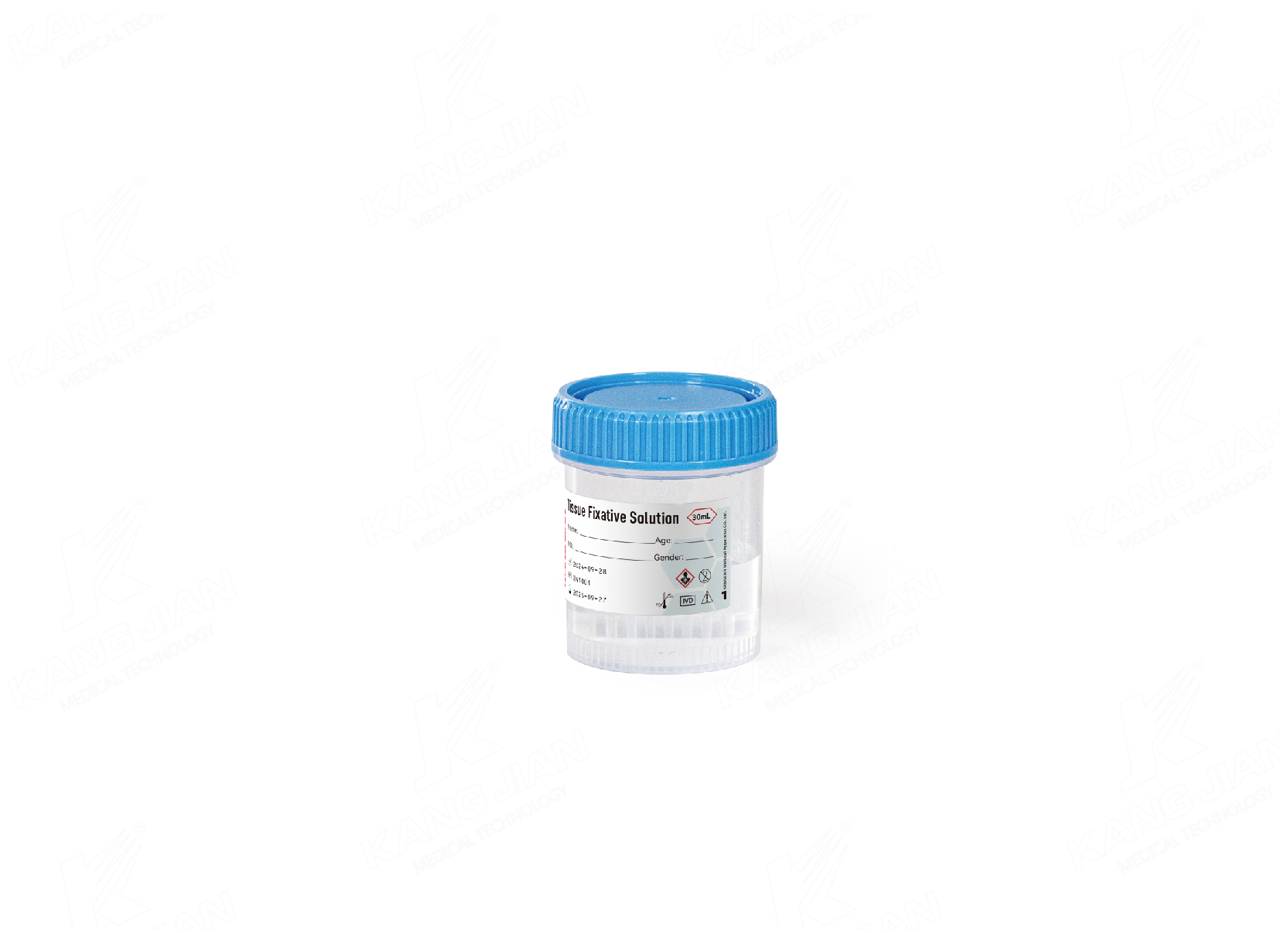
Tissue Fixation 30mL
Product Overview
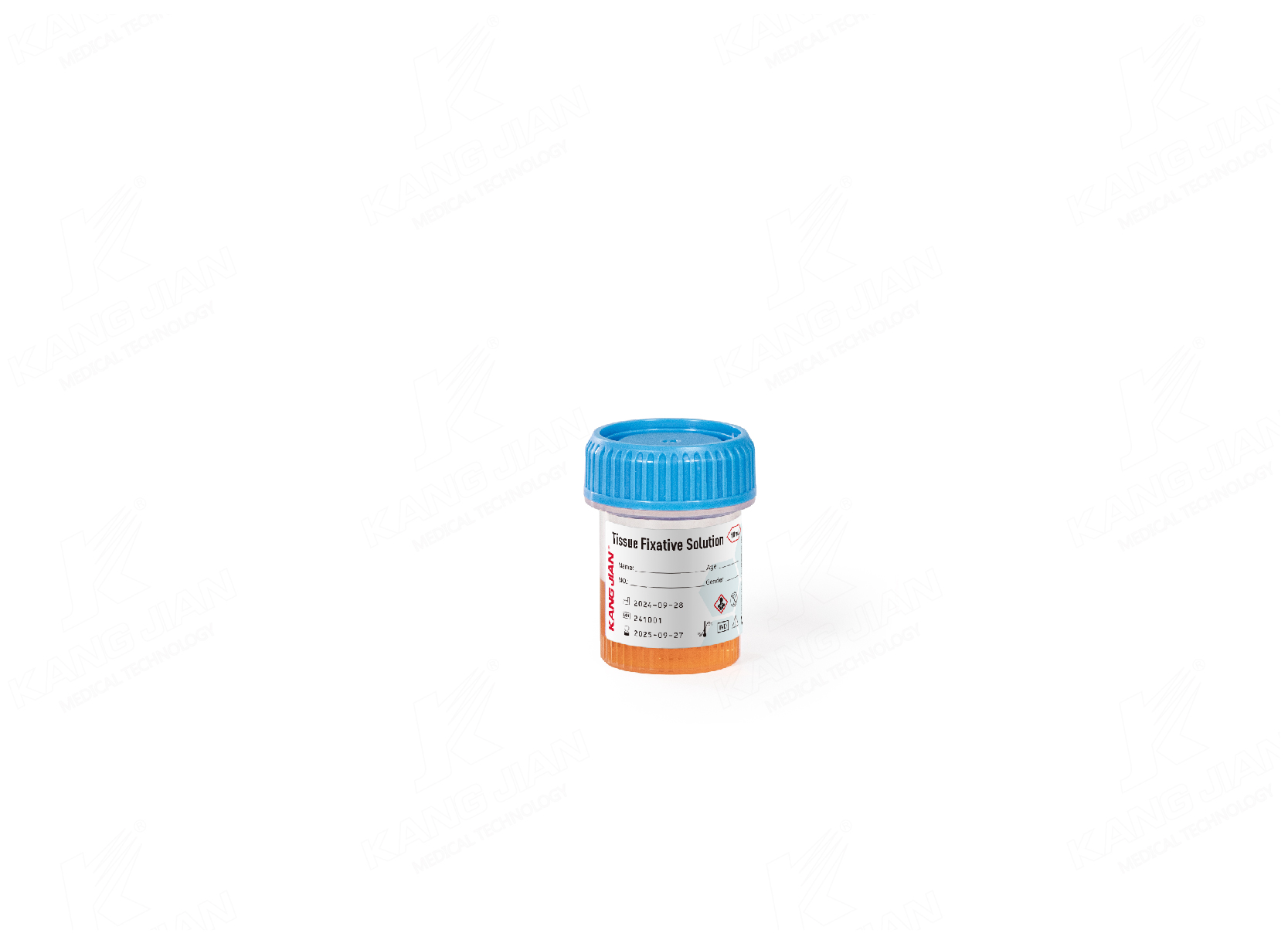
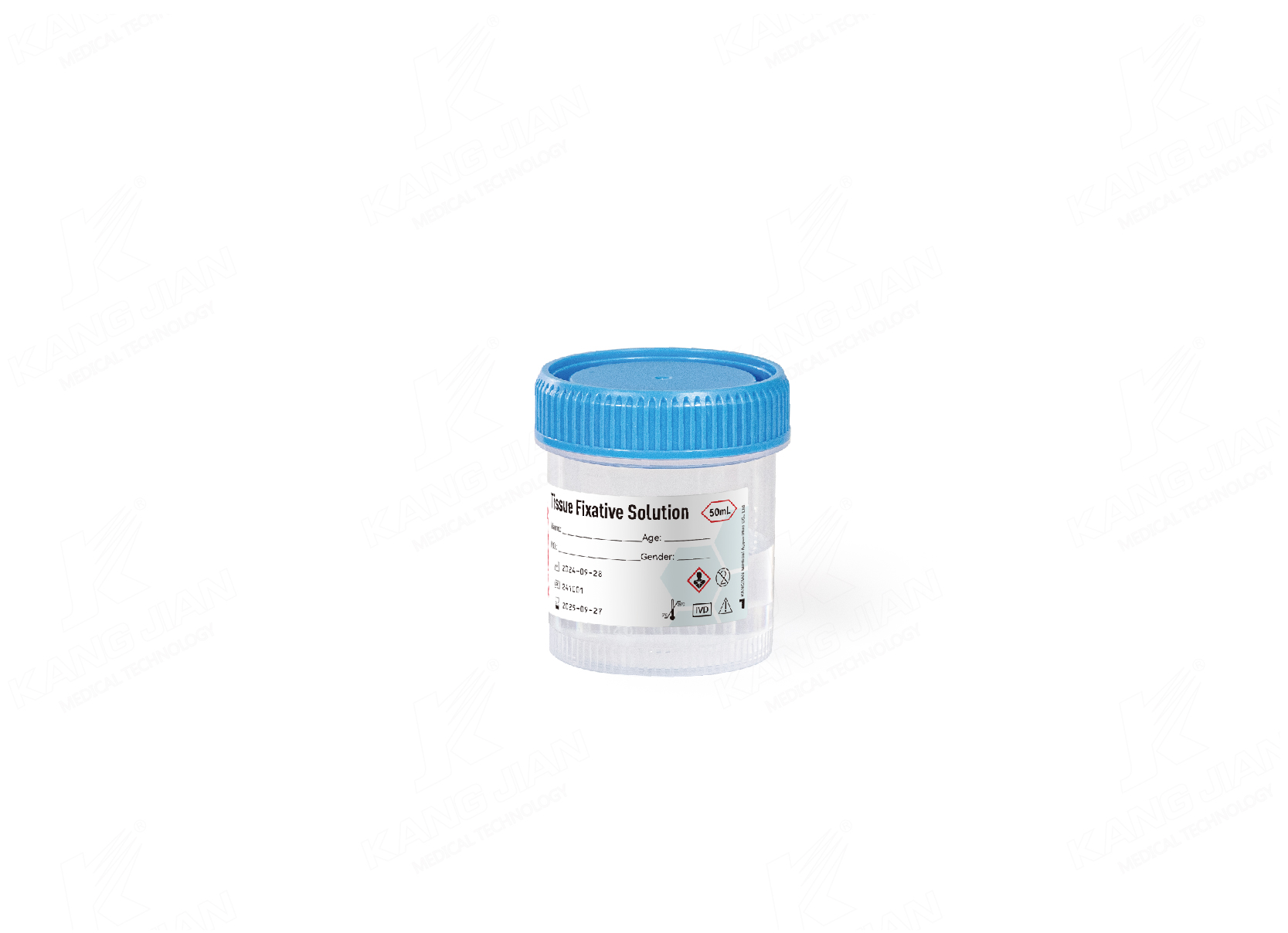
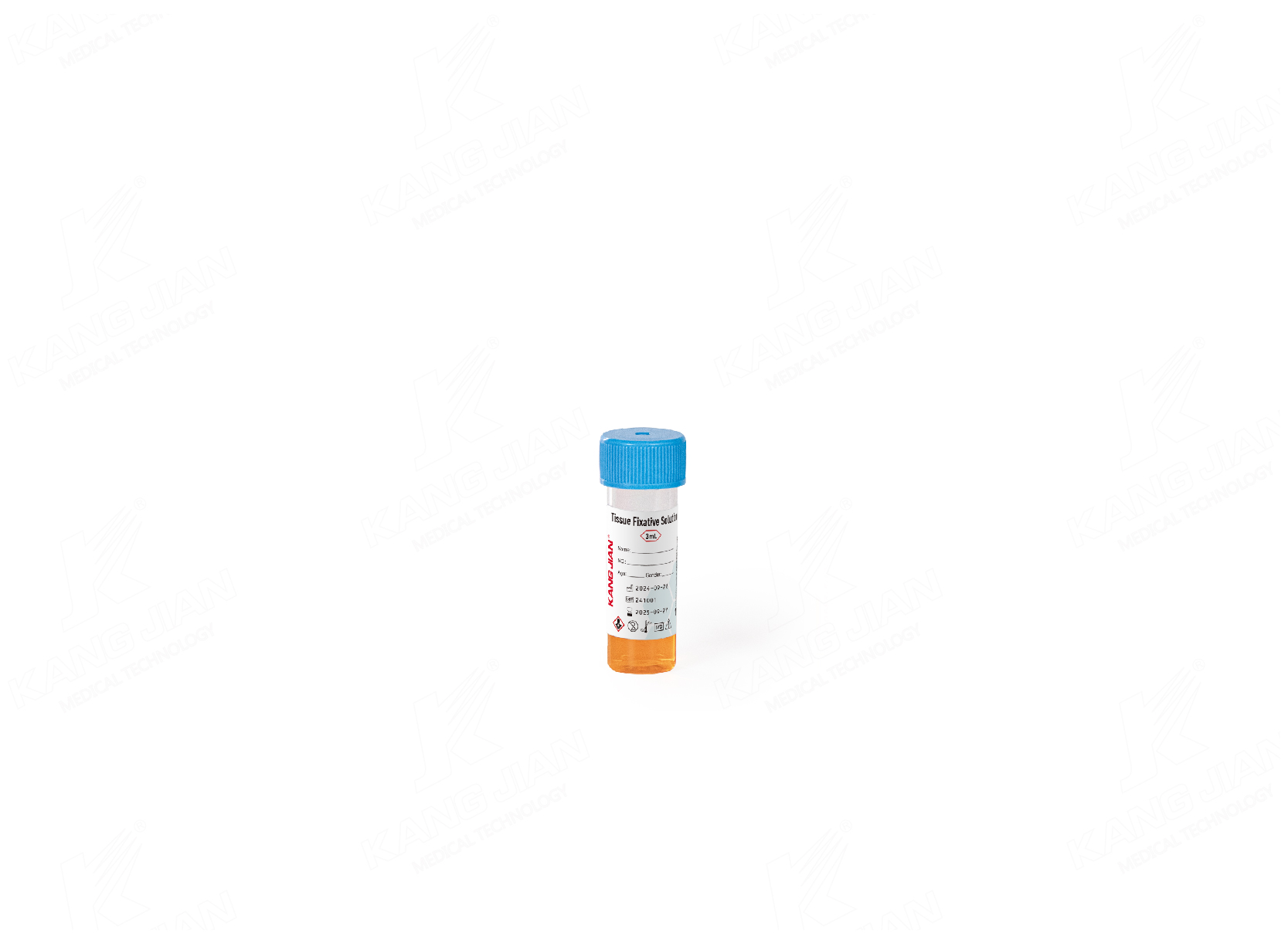
Tissue fixative is used for preservation, fixation and antisepsis of human and animal tissues. It prevents bacterial degradation and tissue autolysis. Suitable for sample fixation or preservation in departments including surgery, biopsy, histopathology and gastroenteroscopy. It features excellent tissue penetration with minimal tissue shrinkage, maintaining tissues and cells in their near‑native state, and delivers good preservation performance for most antigens.
◇ 4% Neutral Buffered Formaldehyde Fixative, The most commonly‑used fixative. Formulated with pH7.2‑7.4 phosphate buffer solution. It offers strong penetration and uniform tissue fixation with low cellular damage, while maintaining stable pH value. The neutral pH inhibits formaldehyde polymer formation and helps preserve the vast majority of antigens. It outperforms ordinary 4% formaldehyde fixatives in fixation quality and antigen preservation. Compatible with routine HE staining, immunohistochemistry, PCR and other applications. Suitable for general pathological specimens without special requirements.
◇ Ready‑to‑use to avoid contamination; transparent cup body for easy visual check of specimen fixation status.
◇ Leak‑proof design ensures safe handling and transportation; pre‑applied labels for convenient sample information recording.
◇ Multiple sizes to meet various post‑ex vivo specimen preparation requirements; multiple packaging options available for diverse application scenarios.
◇ Customizable formulations: 4% Paraformaldehyde Fixative or 10% Neutral‑Buffered Formalin (NBF), upon request.
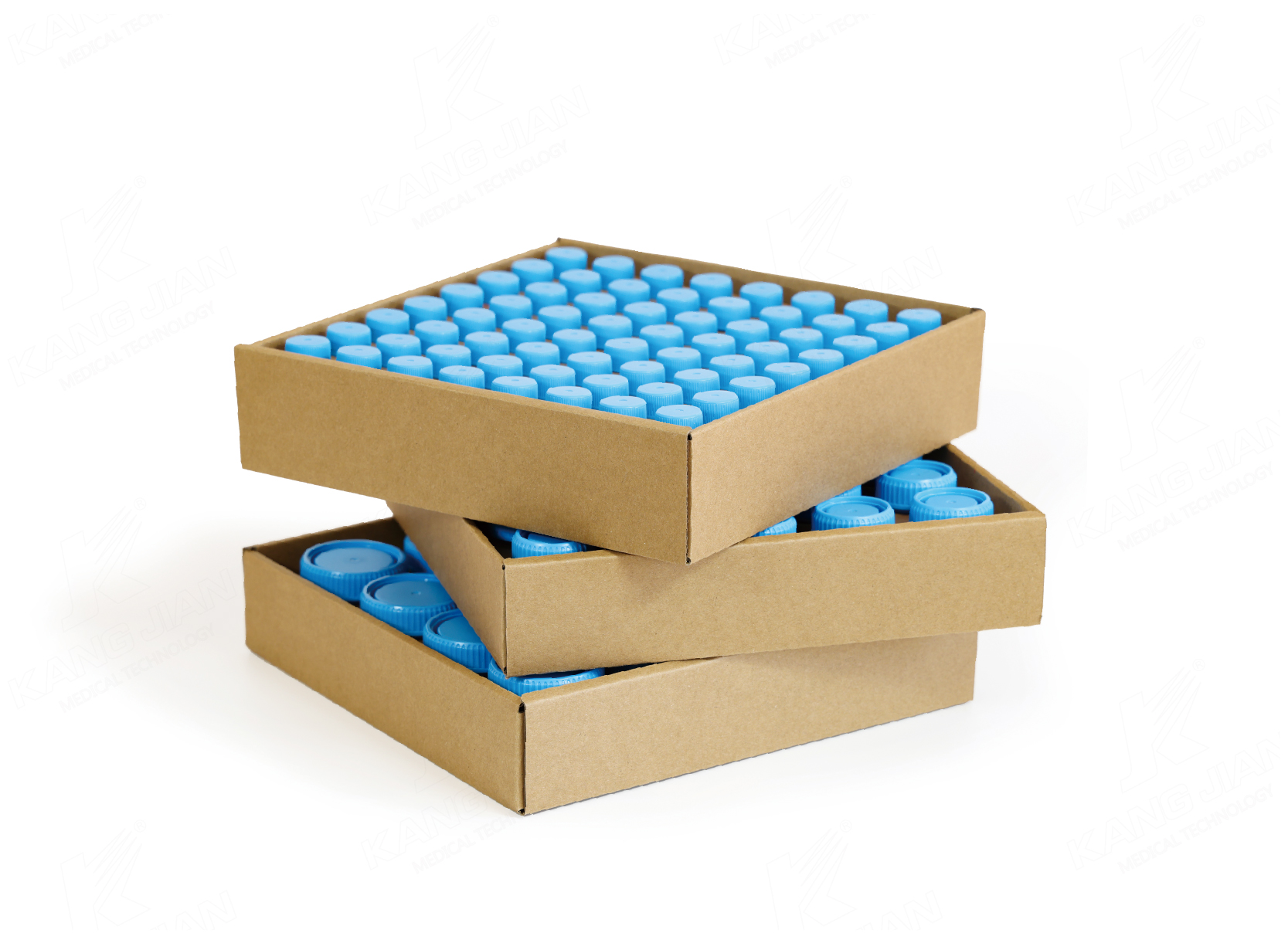
Box rack
Specifications
| REF. | Fixative Type | Fixative Volume | Container Volume | Packaging Specifications | Detailed information | Original REF. |
| KJ829-1 | 4% Neutral Formaldehyde Fixative Solution | 3mL | 5mL | 64 pcs/box rack × 10 racks/case | Formaldehyde is irritant to eye and skin, and is considered toxic when ingested and inhaled. Should work in well ventilated area, wear lab coat, gloves and other protective articles. | 187-0301 |
Product Video
Related Products