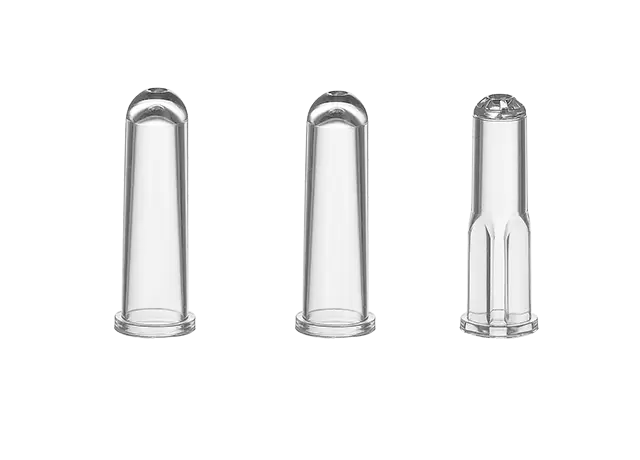
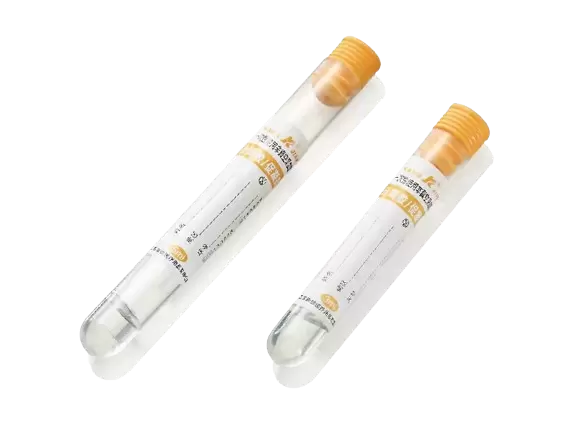
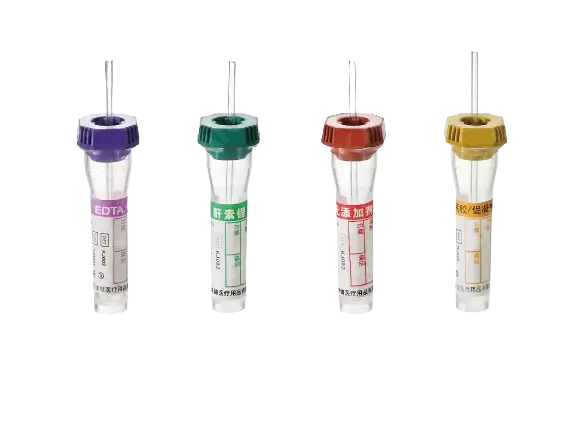
Accurate laboratory diagnostics begin with proper sample collection. A blood collection device is not simply a tool for drawing blood; it is a carefully engineered medical instrument designed to ensure sample integrity, patient safety, and procedural efficiency. In hospitals, diagnostic laboratories, outpatient clinics, and mobile testing units, blood collection devices are fundamental to routine examinations and specialized medical testing.
From venous sampling to capillary micro-collection, modern healthcare relies on standardized and precisely manufactured systems that minimize contamination, reduce hemolysis, and preserve specimen quality. This article provides a comprehensive technical overview of blood collection devices, covering structural design, classification, operational principles, materials, regulatory considerations, and clinical workflow integration.
What Is a Blood Collection Device?
A blood collection device refers to any sterile medical instrument specifically designed to obtain a blood sample from a patient for diagnostic, therapeutic, or research purposes. These devices are engineered to maintain sterility, ensure consistent sample volume, and protect both the patient and healthcare provider.
A complete blood collection system typically includes:
A puncture component (needle or lancet)
A collection mechanism (tube, syringe, or microcontainer)
Additives or anticoagulants (depending on test requirements)
Safety shielding or needle protection system
Each blood collection device must meet strict clinical standards to ensure reliable laboratory results.
Classification of Blood Collection Devices
Blood collection devices can be categorized based on sampling method, application, and structural configuration.
Venous Blood Collection Devices
Venipuncture is the most common blood sampling technique in clinical settings. A venous blood collection device is designed to access a peripheral vein, typically in the antecubital region of the arm.
Common types include:
Venous blood collection devices are generally used when larger sample volumes are required for comprehensive laboratory analysis.
Capillary Blood Collection Devices
Capillary blood collection is performed by puncturing the skin, typically at the fingertip, heel (in neonates), or earlobe. These devices are commonly used when small sample volumes are sufficient.
Typical capillary blood collection devices include:
Safety lancets
Microcollection tubes
Capillary pipettes
Capillary sampling is frequently used for glucose testing, rapid diagnostics, and pediatric applications.
Arterial Blood Collection Devices
For arterial blood gas (ABG) analysis, specialized arterial blood collection devices are used. These devices are engineered to handle pressurized blood flow and maintain anaerobic conditions.
They often include:
Arterial sampling requires advanced clinical training and strict procedural control.
Structural Components of a Blood Collection Device
Each blood collection device is composed of multiple precisely manufactured elements designed to ensure safety and functionality.
Needle Assembly
The needle is typically made from medical-grade stainless steel and is engineered with a beveled tip to reduce tissue trauma. Needle gauge size varies depending on application, patient age, and required sample volume.
A safety-engineered blood collection device may include:
These features reduce the risk of needlestick injuries.
Collection Tubes and Containers
Vacuum blood collection tubes are manufactured with calibrated negative pressure to draw a specific volume of blood. These tubes may contain additives such as:
EDTA (for hematology tests)
Sodium citrate (for coagulation testing)
Heparin (for plasma chemistry analysis)
Clot activators (for serum testing)
Each additive is color-coded for laboratory identification.
Safety Mechanisms
Modern blood collection devices incorporate safety mechanisms to comply with occupational safety regulations. These mechanisms include:
Safety features are particularly important in high-volume clinical environments.
Operational Principles of Blood Collection Devices
The effectiveness of a blood collection device depends on controlled mechanical and physiological interaction.
Venipuncture Process
During venipuncture:
The needle penetrates the skin and vein wall.
Blood flows into the collection tube via vacuum pressure or manual aspiration.
The device maintains a closed system to prevent contamination.
After collection, the needle is withdrawn and secured.
Proper technique reduces hemolysis and ensures sample integrity.
Capillary Sampling Mechanism
Capillary blood collection devices use a spring-loaded lancet mechanism that creates a controlled puncture depth. The device is calibrated to prevent excessive penetration, especially in pediatric patients.
After puncture:
Materials Used in Blood Collection Devices
Medical-grade materials are essential for device safety and performance.
Common materials include:
Stainless steel (needles)
Polypropylene (collection tubes)
Silicone rubber stoppers
Polyethylene protective caps
All materials must meet biocompatibility standards and withstand sterilization processes.
Sterilization and Packaging Standards
A blood collection device must be sterile before use. Sterilization methods commonly include:
Packaging typically includes:
These measures ensure compliance with medical regulatory frameworks.
Clinical Workflow Integration
Blood collection devices are integrated into standardized clinical workflows.
Pre-Collection Protocol
Before using a blood collection device, healthcare professionals must:
During Collection
During blood sampling:
Proper angle and insertion depth must be maintained.
Tube order of draw must be followed to prevent cross-contamination of additives.
The device must remain stable to prevent vein collapse.
Post-Collection Handling
After sample collection:
Tubes must be gently inverted (if additives are present).
Samples must be labeled immediately.
The used blood collection device must be disposed of in sharps containers.
Quality Control in Blood Collection Devices
Quality control is critical in the production of blood collection devices. Manufacturing standards include:
Needle sharpness testing
Vacuum calibration
Leak testing
Sterility validation
Manufacturers must comply with international standards such as:
Common Clinical Testing Requiring Blood Collection Devices
Blood collection devices are used in a wide range of diagnostic procedures, including:
Complete Blood Count (CBC)
Blood glucose testing
Coagulation studies
Liver function tests
Kidney function panels
Infectious disease screening
Blood typing and crossmatching
Each test requires specific collection tubes and protocols.
Regulatory and Compliance Requirements
Manufacturers of blood collection devices must adhere to strict regulatory frameworks. Compliance involves:
Risk assessment documentation
Clinical performance evaluation
Sterility assurance validation
Biocompatibility testing
Medical device classification varies by region, but blood collection devices are typically classified as Class II medical devices in many regulatory systems.
Selecting the Right Blood Collection Device for Clinical Settings
When selecting a blood collection device, healthcare providers must consider:
For high-volume hospitals, vacuum-based systems are common. For home monitoring, capillary devices may be more suitable.
Conclusion
A blood collection device is an essential medical instrument designed to ensure safe, precise, and sterile blood sampling in clinical and laboratory environments. From venipuncture systems to capillary lancets and arterial syringes, each device is engineered with specific technical features to maintain sample quality and patient safety.
Understanding the structure, classification, operation, and compliance requirements of blood collection devices is critical for healthcare professionals, procurement managers, and medical device distributors. Proper device selection and adherence to standardized procedures ensure accurate diagnostic outcomes and efficient clinical workflows.