Blood collection is a crucial procedure in medical diagnostics, enabling healthcare professionals to monitor and diagnose various health conditions. The tools used in this process, known as blood collection devices, play a significant role in ensuring safe, effective, and accurate results. In this article, we will explore the different types of blood collection devices, their uses, and the importance of quality in these medical tools.
What Are Blood Collection Devices?
Blood collection devices are specialized tools designed to collect blood samples from patients. These samples are vital for laboratory analysis to diagnose a wide range of conditions, from infections to chronic diseases. A blood collection device can come in various forms, each tailored to specific needs, including syringes, vacutainers, lancets, and specialized blood collection tubes.
The most common blood collection methods include venipuncture (drawing blood from veins) and capillary blood collection (using small punctures, often in the fingertip). The choice of device largely depends on the patient’s age, health condition, and the type of test required.
Types of Blood Collection Devices
Syringes and Needles:
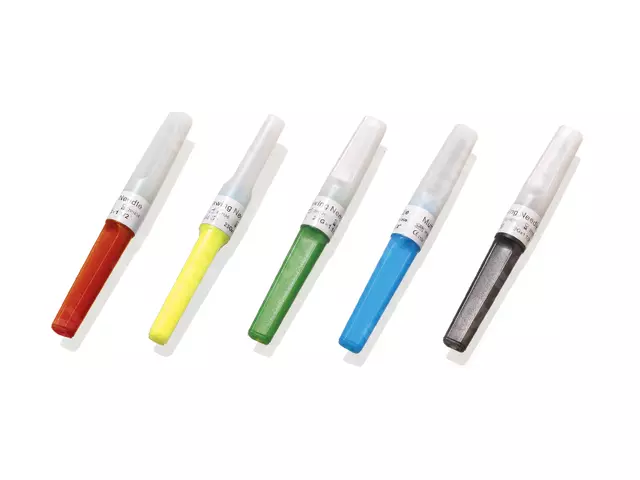
Syringes are among the most traditional and widely used blood collection tools. A needle attached to the syringe is used for venipuncture, typically in the arm. This method is suitable for larger volumes of blood and is often used for blood cultures or transfusions. While syringes are versatile and easy to use, they require precise handling to ensure sterility and minimize the risk of contamination.
Vacutainers:
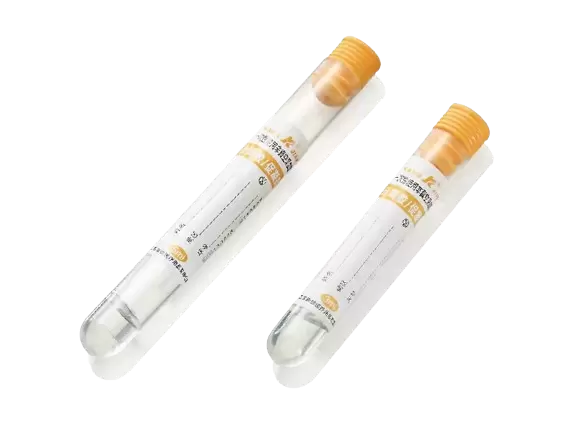
A vacutainer is a tube with a vacuum inside, used to draw blood into the tube after a needle punctures the vein. The vacuum allows for a quick and efficient collection of blood with minimal discomfort to the patient. They come in various sizes and are often prefilled with preservatives, ensuring the blood sample remains stable during transport to the lab.
Capillary Blood Collection Devices:
These devices are used for smaller samples of blood and are most commonly seen in fingerstick or heelstick procedures. Capillary blood collection devices, such as lancets, are used when only a small amount of blood is needed. This method is often used for infants, home monitoring tests, or glucose testing.
Blood Collection Tubes:
Blood collection tubes are used in conjunction with various blood collection devices, especially vacutainers. These tubes come with different additives to facilitate specific tests. For instance, some contain anticoagulants to prevent clotting, while others may contain preservatives to stabilize the blood sample. The choice of tube depends on the type of test to be performed.
Blood Collection Devices for Special Tests:
Certain medical tests require specialized blood collection devices. For example, devices like arterial blood gas collection kits or devices designed for blood donations are often tailored for specific clinical needs. These devices are more complex, designed to handle specialized procedures like arterial puncture or blood volume control.
Factors to Consider When Choosing a Blood Collection Device
When selecting a blood collection device, healthcare professionals must take several factors into account to ensure the procedure is both effective and safe:
Patient Comfort:
The comfort of the patient is a top priority. Devices such as lancets for capillary collection are less invasive and cause less pain compared to large-bore needles used in venipuncture. For pediatric or geriatric patients, using devices designed for minimal discomfort is crucial to avoid distress.
Sample Size and Test Type:
Different tests require different volumes of blood. For comprehensive testing, such as a full blood count or metabolic panel, larger volumes are necessary, making vacutainers the preferred choice. For rapid testing or glucose monitoring, capillary blood collection devices may be more suitable.
Sterility and Contamination Prevention:
Blood collection devices must maintain a high level of sterility to prevent contamination and infections. Devices should be pre-sterilized, and once opened, they must be disposed of immediately to avoid cross-contamination.
Ease of Use:
Blood collection devices should be easy to use for medical professionals, particularly in emergency or high-pressure situations. This includes the design of the device, its ergonomics, and how quickly and effectively it allows for blood sample collection.
The Role of Blood Collection Devices in Diagnostics
Blood collection is integral to diagnosing a wide variety of conditions. The blood collection device ensures that the process is as seamless as possible, leading to more accurate diagnostic results. Some of the common conditions diagnosed through blood tests include:
Infections: Blood cultures taken from patients can help diagnose bacterial, viral, or fungal infections.
Chronic Diseases: Blood tests help monitor diseases like diabetes, kidney disease, and heart disease.
Cancer: Certain blood tests are used to identify markers indicative of cancer, such as the PSA test for prostate cancer or the CA-125 test for ovarian cancer.
Nutritional Deficiencies: Blood tests can measure levels of vitamins and minerals, such as Vitamin D or iron, providing insight into a person’s nutritional status.
Without efficient and reliable blood collection devices, obtaining accurate test results would be significantly more challenging.
Best Practices for Using Blood Collection Devices
To ensure the effectiveness of blood collection devices, it’s important for healthcare providers to follow best practices:
Proper Training: Medical professionals should be adequately trained in the use of different blood collection devices. Correct use helps minimize errors and improve patient comfort.
Using the Correct Device for the Task: As mentioned earlier, different tests require different blood collection methods. Using the wrong device for the wrong test can lead to inaccurate results or complications.
Ensuring Clean and Safe Handling: After a blood sample is collected, it should be properly labeled and handled. Devices like vacutainers must be sealed securely to prevent leakage during transport to the laboratory.
Conclusion
Blood collection devices are critical components in modern healthcare, facilitating accurate diagnostic testing and ensuring patient safety. Whether using syringes for venipuncture, lancets for capillary collection, or vacutainers for efficient blood drawing, each device plays an essential role in collecting blood samples. Understanding the different types of blood collection devices, their applications, and the proper techniques for their use is key to achieving reliable test results and improving patient outcomes.
By continually improving the design and functionality of these devices, healthcare professionals can offer more precise, comfortable, and efficient care to their patients. Whether in hospitals, clinics, or at-home settings, blood collection devices remain indispensable tools in medical diagnostics.