In modern clinical diagnostics and laboratory medicine, the accuracy and reliability of test results depend heavily on the quality of pre-analytical processes. Among these, blood collection and sample preparation play a decisive role. As testing technologies become more sophisticated—especially in molecular diagnostics, virology, and clinical chemistry—the need for high-performance blood collection systems has significantly increased.
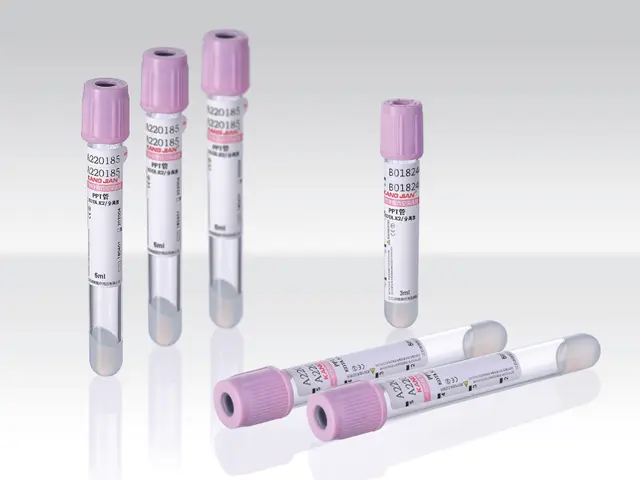
The pink cap PPT vacuum blood collection tube (Plasma Preparation Tube) is specifically designed to meet these demanding requirements. By integrating vacuum blood collection technology with advanced gel separation and anticoagulant systems, it enables efficient plasma isolation, improved sample stability, and enhanced workflow efficiency.
For healthcare providers, diagnostic laboratories, and distributors, understanding the technical advantages and application value of pink cap PPT tubes is essential for ensuring optimal testing outcomes and operational efficiency.
What Is a Pink Cap PPT Vacuum Blood Collection Tube?
A pink cap PPT vacuum blood collection tube is a specialized blood collection device used to obtain plasma samples. It combines:
- Vacuum-based blood collection
- Anticoagulant additives (typically K2EDTA or K3EDTA)
- Polymer gel separator
The defining feature of this tube is its ability to separate plasma from cellular components during centrifugation, forming a stable barrier that preserves sample integrity.
Key Features:
- Pink-colored cap for easy identification
- Pre-measured vacuum for precise blood draw
- Integrated gel barrier for plasma separation
- Anticoagulant to prevent clotting
- Sterile, single-use design
Structure and Components
Understanding the construction of a pink cap PPT vacuum blood collection tube helps illustrate its performance advantages.
1. Tube Body
- Made from high-quality PET (polyethylene terephthalate) or glass
- Transparent for easy visual inspection
- Designed to withstand centrifugation forces
2. Vacuum System
- Pre-calibrated negative pressure
- Ensures accurate blood volume collection
- Reduces manual error during phlebotomy
3. Anticoagulant Additive
Commonly used:
Functions:
- Prevents blood clotting
- Preserves cellular morphology
- Maintains analyte stability
4. Separation Gel
- Inert polymer gel with specific density
- Moves during centrifugation to form a barrier between plasma and cells
- Prevents cross-contamination
5. Cap and Closure System
- Pink cap for standardized identification
- Leak-proof sealing
- Compatible with automated analyzers
Working Principle
The operation of a pink cap PPT vacuum blood collection tube involves several key steps:
1. Blood Collection
Blood is drawn into the tube using vacuum pressure, ensuring a precise volume without manual intervention.
2. Mixing
The tube is gently inverted to mix blood with the anticoagulant, preventing clot formation.
3. Centrifugation
During centrifugation:
- Blood components separate based on density
- Plasma rises to the top
- Cells settle at the bottom
- Gel forms a stable barrier between them
4. Plasma Extraction
The separated plasma can be directly used for testing or stored for later analysis.
Advantages of Pink Cap PPT Vacuum Blood Collection Tubes
1. Efficient Plasma Separation
The integrated gel barrier enables:
- Clear separation of plasma
- Reduced need for manual processing
- Improved laboratory efficiency
2. Enhanced Sample Stability
The barrier prevents interaction between plasma and cells, resulting in:
- Reduced hemolysis
- Stable analyte concentrations
- Extended storage time
3. Improved Accuracy of Test Results
Consistent sample quality ensures:
- Reliable diagnostic outcomes
- Reduced variability
4. Time-Saving Workflow
By combining collection and separation in one tube:
- Eliminates additional transfer steps
- Reduces handling time
5. Safety and Hygiene
- Single-use sterile design
- Minimizes contamination risk
- Protects healthcare personnel
Applications in Clinical and Diagnostic Settings
1. Molecular Diagnostics
Widely used for:
- Viral load testing (e.g., HIV, HBV, HCV)
- PCR-based assays
2. Clinical Chemistry
Suitable for:
- Plasma-based biochemical tests
- Electrolyte analysis
3. Immunology
Used in:
- Antibody detection
- Hormone analysis
4. Blood Banking and Transfusion Testing
Ensures:
- High-quality plasma samples
- Accurate compatibility testing
5. Research Laboratories
Supports:
- Biomarker discovery
- Clinical trials
Comparison with Other Blood Collection Tubes
PPT vs Serum Tubes
| Feature | PPT Tube | Serum Tube |
|---|
| Additive | EDTA | Clot activator |
| Sample Type | Plasma | Serum |
| Processing Time | Faster | Requires clotting |
| Stability | Higher | Moderate |
PPT vs Standard EDTA Tubes
| Feature | PPT Tube | EDTA Tube |
|---|
| Gel Barrier | Yes | No |
| Plasma Separation | Automated | Manual |
| Workflow Efficiency | High | Lower |
Quality Standards and Compliance
High-quality pink cap PPT vacuum blood collection tubes must comply with international standards:
- ISO 13485 (Medical device quality management)
- CE marking
- FDA registration
- ISO 6710 (Single-use containers for blood collection)
Strict quality control ensures:
- Consistent vacuum levels
- Accurate additive dosage
- Reliable performance
Manufacturing Considerations
As a specialized manufacturer, producing high-quality PPT tubes requires attention to:
1. Material Selection
- Medical-grade plastics or glass
- Biocompatibility
- Chemical stability
2. Additive Precision
- Accurate anticoagulant dosing
- Uniform distribution
3. Gel Formulation
- Controlled density
- Stability under varying conditions
4. Sterilization
- Gamma irradiation or EO sterilization
- Ensures product safety
5. Automated Production
- High-speed assembly lines
- Consistent quality control
Key Factors When Choosing a Supplier
1. Product Quality
Look for:
- Certification compliance
- Consistent performance
2. Manufacturing Capability
Ensure:
- Large-scale production capacity
- Advanced equipment
3. Customization Options
- Labeling
- Packaging
- Volume specifications
4. Supply Chain Reliability
- Stable delivery timelines
- Global distribution capability
5. Technical Support
- Product training
- Application guidance
Market Trends and Industry Outlook
1. Growth in Diagnostic Testing
Increasing demand for:
- Molecular diagnostics
- Infectious disease testing
2. Automation in Laboratories
PPT tubes support:
- High-throughput workflows
- Automated analyzers
3. Emphasis on Sample Integrity
Healthcare providers prioritize:
- Accurate results
- Reduced pre-analytical errors
4. Expansion in Emerging Markets
Rising healthcare infrastructure drives demand for:
- Reliable blood collection systems
5. Innovation in Materials
Advancements include:
- Improved gel formulations
- Enhanced tube durability
Why Choose Our Pink Cap PPT Vacuum Blood Collection Tubes
As a dedicated manufacturer, we provide high-performance pink cap PPT vacuum blood collection tubes designed for global healthcare standards.
Our Strengths:
1. Precision Manufacturing
- Strict control of vacuum and additives
- Consistent product quality
2. Advanced Gel Technology
- Reliable plasma separation
- Stable barrier formation
3. Comprehensive Certifications
- Compliance with international standards
4. Flexible Customization
- OEM/ODM services
- Tailored packaging solutions
5. Reliable Supply Chain
- Scalable production
- On-time delivery
Conclusion
The pink cap PPT vacuum blood collection tube is an essential tool in modern diagnostics, offering efficient plasma separation, improved sample stability, and streamlined laboratory workflows. Its integration of vacuum collection, anticoagulation, and gel separation makes it a preferred choice for a wide range of clinical applications.
For healthcare providers and laboratory professionals, selecting high-quality PPT tubes is critical to ensuring accurate and reliable diagnostic results.