The healthcare and biomedical research industry is undergoing rapid transformation, driven by innovations in laboratory equipment and cell culture technologies. At the heart of many laboratory processes lies the biological culture vessel—a critical tool used for growing, maintaining, and studying living cells, tissues, and microorganisms. Despite its simple appearance, a high-quality biological culture vessel is essential for ensuring reproducibility, safety, and efficiency in medical research and biopharmaceutical production.
In this article, we will explore the definition, applications, types, materials, selection criteria, maintenance practices, and future trends of biological culture vessels in the medical industry. By the end of this guide, you will gain a deep understanding of why this essential laboratory equipment is indispensable in modern healthcare and research.
What is a Biological Culture Vessel?
A biological culture vessel is a container designed to provide a controlled environment for the growth and maintenance of biological entities, including cells, tissues, and microorganisms. These vessels are engineered to maintain sterility, control temperature, pH, and gas exchange, and support optimal growth conditions.
Whether used in clinical research, pharmaceutical development, or academic laboratories, biological culture vessels are fundamental for producing consistent and reliable experimental results.
Industrial and Medical Applications of Biological Culture Vessels
The versatility of a biological culture vessel makes it a cornerstone in various healthcare and medical research scenarios. Some key applications include:
1. Pharmaceutical and Biopharmaceutical Research
Pharmaceutical companies rely on biological culture vessels for drug discovery, vaccine development, and biologics production. By providing a stable environment for cell proliferation, these vessels ensure accurate data for preclinical studies.
2. Stem Cell Research
Stem cells are highly sensitive and require precise conditions for growth and differentiation. Biological culture vessels provide a controlled environment that supports stem cell maintenance and differentiation protocols.
3. Microbiology and Pathogen Studies
Microbiologists use biological culture vessels to cultivate bacteria, viruses, and fungi under strict sterile conditions. This is critical for disease research, antibiotic testing, and vaccine development.
4. Tissue Engineering and Regenerative Medicine
In tissue engineering, biological culture vessels support the growth of tissue scaffolds and organoids. The ability to control oxygen, nutrient flow, and waste removal in these vessels is essential for successful tissue regeneration.
5. Clinical Diagnostics
In medical laboratories, biological culture vessels are used for diagnostic tests, such as blood cultures, microbial sensitivity testing, and pathogen identification, ensuring accurate patient results.
Key Benefits of Using Biological Culture Vessels
Incorporating a biological culture vessel into laboratory workflows offers numerous advantages:
1. Sterility and Safety
High-quality biological culture vessels are designed to prevent contamination, ensuring reliable experimental outcomes and maintaining laboratory safety.
2. Optimal Growth Conditions
These vessels provide controlled environments for temperature, humidity, pH, and gas levels, which are crucial for the growth of sensitive biological samples.
3. Reproducibility of Results
Consistent culture conditions across experiments lead to reproducible results, which is vital for regulatory compliance and scientific research.
4. Scalability
Biological culture vessels are available in a wide range of sizes, from small laboratory flasks to large bioreactors, enabling research scalability and industrial production.
5. Cost-Effectiveness
Durable vessels reduce the frequency of replacements, minimize contamination risk, and improve overall efficiency, saving time and costs in the long run.
Types of Biological Culture Vessels
There are several types of biological culture vessels, each designed for specific applications:
1. Petri Dishes
Used extensively in microbiology, Petri dishes are ideal for growing bacteria, fungi, and small tissue samples. They are available in various materials, such as glass and polystyrene.
2. Culture Flasks
Flasks with vented caps allow for gas exchange, supporting mammalian cell culture and suspension cultures in research and industrial settings.
3. Bioreactors
Large-scale biological culture vessels designed for industrial applications, bioreactors provide precise control over environmental conditions for the production of biologics and vaccines.
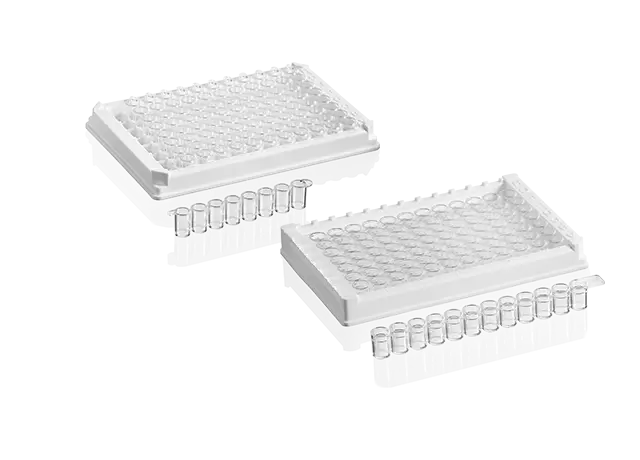
4. Multiwell Plates
Common in high-throughput screening, multiwell plates allow researchers to conduct multiple parallel experiments with small volumes of culture medium.
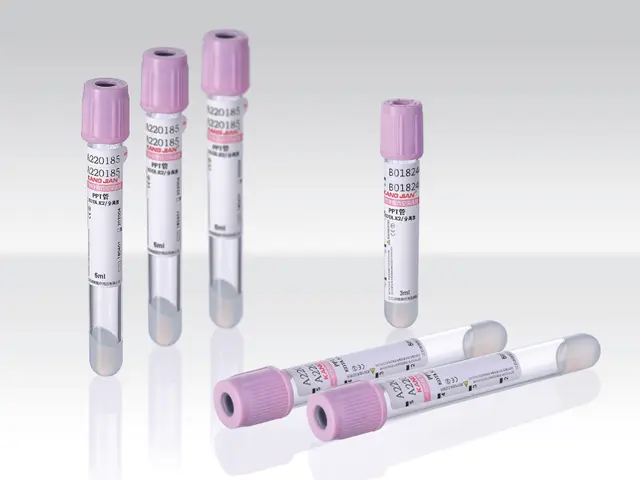
5. Tubes and Bottles
Used for smaller-scale cultures, tubes and bottles are versatile, portable, and suitable for both microbiology and cell culture laboratories.
Materials Used in Biological Culture Vessels
Choosing the right material is essential for ensuring compatibility with the biological samples:
- Glass: Resistant to heat and chemicals, ideal for repeated sterilization.
- Polystyrene: Cost-effective and disposable, commonly used in cell culture.
- Polycarbonate: Transparent, durable, and autoclavable for long-term use.
- Stainless Steel: Used in large bioreactors for industrial-scale cultures due to its durability and sterility.
How to Select the Right Biological Culture Vessel
Selecting the proper biological culture vessel depends on multiple factors:
- Application – Determine whether the vessel will be used for microbiology, mammalian cell culture, or large-scale production.
- Sterility Requirements – Choose pre-sterilized vessels for sensitive applications.
- Volume and Scalability – Match the vessel size to your experimental or production needs.
- Material Compatibility – Ensure the material is compatible with the culture medium and sterilization methods.
- Regulatory Compliance – Verify that the vessel meets industry and healthcare regulations.
Installation and Handling Tips
Proper usage of a biological culture vessel is critical to maintaining culture integrity:
- Follow Sterile Techniques: Always handle vessels under laminar flow hoods when required.
- Proper Labeling: Clearly label vessels with sample ID, date, and experimental conditions.
- Monitor Environmental Conditions: Maintain correct temperature, humidity, and CO₂ levels.
- Avoid Contamination: Do not touch the interior surfaces or lids with bare hands.
Maintenance and Reusability
Maintaining biological culture vessels ensures safety and performance:
- Cleaning: For reusable glass or stainless steel vessels, thorough cleaning after each use is essential.
- Sterilization: Autoclaving or chemical sterilization is necessary to prevent contamination.
- Inspection: Regularly inspect for cracks, warping, or residue.
- Proper Storage: Store vessels in a dust-free, sterile environment.
Future Trends in Biological Culture Vessels
The evolution of biological culture vessels continues to shape modern healthcare and research:
- Automation and Robotics: Integration with robotic systems for high-throughput cell culture.
- Single-Use Bioreactors: Reducing contamination risks and cleaning requirements.
- Advanced Materials: Development of biocompatible, transparent, and autoclavable materials for improved performance.
- Real-Time Monitoring: Smart vessels with embedded sensors to track pH, oxygen, and nutrient levels.
Conclusion
A biological culture vessel is a fundamental tool in the medical and biomedical research industry. From basic Petri dishes to advanced bioreactors, these vessels support a wide array of applications, ensuring safe, reproducible, and efficient culture of cells and microorganisms. By selecting high-quality biological culture vessels and adhering to proper handling and maintenance protocols, researchers and healthcare professionals can enhance productivity, maintain safety, and achieve reliable experimental outcomes.
Investing in the right biological culture vessels is more than a laboratory requirement—it is a strategic step towards advancing healthcare research, biopharmaceutical production, and innovative medical solutions.