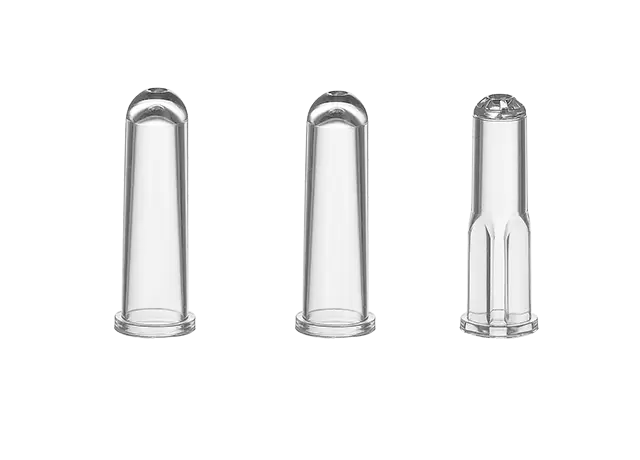
In the fast-evolving field of medical research and diagnostics, precision, hygiene, and reliability are paramount. Tools and instruments used in laboratory procedures must meet the highest standards to ensure accuracy and safety. One such essential tool is the plastic cell scraper. These specialized devices play a critical role in cellular research, diagnostics, and cell culture applications, allowing medical professionals and researchers to isolate, harvest, and manipulate cells with precision.
This article provides a comprehensive overview of plastic cell scrapers, focusing on their importance in the medical industry, the benefits they offer, and their various applications in medical laboratories, cell culture research, and diagnostic procedures. We will explore why these tools are indispensable for medical professionals and researchers working in highly regulated environments, emphasizing their effectiveness in delivering safe, efficient, and reproducible results.
What Is a Plastic Cell Scraper?
A plastic cell scraper is a laboratory tool designed for the gentle detachment of cells from the surface of a culture dish, plate, or other laboratory vessels. It is commonly made from medical-grade plastic materials such as polypropylene, polystyrene, or polyethylene, ensuring durability, non-reactivity, and ease of use in sterile environments. These scrapers are designed to avoid contaminating the cell culture, maintaining the integrity and purity of the cells being harvested.
Unlike metal scrapers, plastic cell scrapers offer the benefit of non-reactivity and biocompatibility, which are crucial when handling sensitive biological materials. The flat, flexible design allows researchers to easily scrape the bottom of culture vessels to collect cells without causing damage or contamination.
Why Are Plastic Cell Scrapers Important in the Medical Industry?
In the medical industry, particularly in cell culture and tissue culture applications, the ability to accurately and efficiently harvest cells is critical for successful experiments and diagnostics. The precision of cell isolation can significantly impact the results of medical research, drug development, and diagnostic testing. Here's why plastic cell scrapers are indispensable in these settings:
- Precision in Cell Harvesting
- Plastic cell scrapers are specifically designed to offer controlled scraping capabilities, enabling the gentle detachment of cells without damaging their structure. This is particularly important in cell culture research, where the integrity of the cells is paramount for accurate results. In medical diagnostics, precise cell harvesting can influence the quality and reliability of test samples.
- Hygiene and Sterility
- In medical laboratories, sterility is of the utmost importance. Plastic cell scrapers are disposable or can be sterilized, ensuring that there is no cross-contamination between samples. Medical-grade plastics are non-porous, reducing the risk of contaminating the culture medium or the sample during cell isolation. This is particularly beneficial in clinical diagnostics, where precision and sterility are critical for accurate results.
- Non-Reactivity with Cells
- Medical-grade plastics, such as polypropylene and polystyrene, are chemically inert and non-reactive with biological samples, ensuring that they do not interfere with cell cultures. The use of metal scrapers can sometimes introduce unwanted chemical reactions, affecting the integrity of the cells. By using plastic cell scrapers, researchers can ensure that the cells are harvested without interference from the scraper material.
- Reproducibility and Consistency
- The consistent and uniform scraping action of plastic cell scrapers contributes to reproducible results in medical research and diagnostics. In high-throughput screening or drug discovery, ensuring that every sample is treated the same way is crucial for obtaining accurate and reliable data. Plastic cell scrapers help in achieving consistent cell harvesting, which in turn improves the consistency of experimental results.
Applications of Plastic Cell Scrapers in the Medical Industry
Plastic cell scrapers are versatile tools used across various medical applications, particularly in cell culture, diagnostics, and tissue engineering. Below are some of the primary areas where plastic cell scrapers are indispensable:
1. Cell Culture and Research
In cell culture laboratories, plastic cell scrapers are used to harvest cells from culture dishes, flasks, and multi-well plates. These cells can then be used for a range of research purposes, including drug testing, genetic studies, and tissue engineering. Key applications include:
- Tissue Culture: Harvesting cells for the growth of organoids or 3D tissue models for research into diseases, drug responses, or regenerative medicine.
- Cancer Research: Isolating cancer cells for chemotherapy resistance testing or for studying their behavior in the presence of various drugs.
- Stem Cell Research: Plastic cell scrapers are used to isolate stem cells from cultures to investigate their differentiation potential and regenerative properties.
2. Medical Diagnostics
In the field of medical diagnostics, plastic cell scrapers are crucial for collecting cellular samples from patients. They are commonly used in procedures such as:
- Pap Smears: Cell scrapers are used to collect cells from the cervix to screen for cervical cancer or precancerous changes.
- Biopsy Sample Preparation: In procedures where tissue samples are taken for analysis, plastic cell scrapers are used to collect cells from biopsy sites for further study.
- In Vitro Fertilization (IVF): In IVF labs, plastic cell scrapers help collect eggs and sperm from donors or patients for fertilization studies.
3. Tissue Engineering and Regenerative Medicine
Plastic cell scrapers are also critical in the field of tissue engineering, where they assist in the collection and manipulation of cells for regenerative therapies. These include applications such as:
- Skin Regeneration: In the creation of skin grafts for burn victims, cells are harvested using plastic cell scrapers to develop new skin layers for transplantation.
- Cartilage Repair: In regenerative medicine for joint repair, plastic cell scrapers help harvest cells for creating new cartilage tissue.
4. Viral and Bacterial Studies
Researchers studying viral and bacterial infections often need to isolate cells to understand how pathogens interact with human tissues. Plastic cell scrapers are used to harvest infected cells, providing the necessary material for viral assays or bacterial testing. This is particularly relevant for:
- Vaccine Development: Isolating specific cells to understand how they respond to vaccines or to test the effectiveness of antiviral or antibacterial treatments.
- Antibiotic Resistance: Studying how bacterial cells respond to different antibiotics by isolating them using plastic cell scrapers.
Key Advantages of Using Plastic Cell Scrapers
Plastic cell scrapers offer a variety of advantages over other scraping tools in medical applications:
- Cost-Effectiveness: Plastic cell scrapers are often disposable, reducing the need for sterilization and providing a cost-effective solution for laboratories with high throughput.
- Biocompatibility: Medical-grade plastics ensure that there is no reaction with the biological samples, preserving cell integrity.
- Ease of Use: The flexible design of plastic scrapers allows for ease of use, even in challenging conditions or when scraping from hard-to-reach areas.
- Durability and Strength: Despite being made of plastic, these scrapers are sturdy enough to handle the rigors of cell collection without breaking or bending.
Choosing the Right Plastic Cell Scraper for Medical Applications
When selecting a plastic cell scraper for medical applications, several factors must be considered:
- Material: Ensure that the scraper is made from medical-grade plastics such as polypropylene or polystyrene, which offer the necessary strength and non-reactivity with biological samples.
- Size and Design: Choose a scraper that fits the specific needs of your application, whether it’s for scraping a small cell culture dish or a large petri dish.
- Sterility: For clinical and diagnostic use, ensure that the scrapers are sterile or can be easily sterilized.
Conclusion
Plastic cell scrapers are indispensable tools in the medical industry, offering reliable, efficient, and precise methods for cell harvesting, diagnostics, and research. From cell culture applications to medical diagnostics and tissue engineering, these scrapers provide the necessary functionality and safety required in sensitive medical environments.
As the demand for high-quality, reproducible results continues to rise, plastic cell scrapers will play a crucial role in advancing medical research, diagnostics, and regenerative medicine. With their precision, ease of use, and cost-effectiveness, these tools ensure that medical professionals and researchers can confidently carry out their work, paving the way for further innovations in healthcare and science.
By investing in top-quality plastic cell scrapers, medical laboratories can ensure optimal performance, hygiene, and reliable results, making them an essential component in modern medical diagnostics and research.