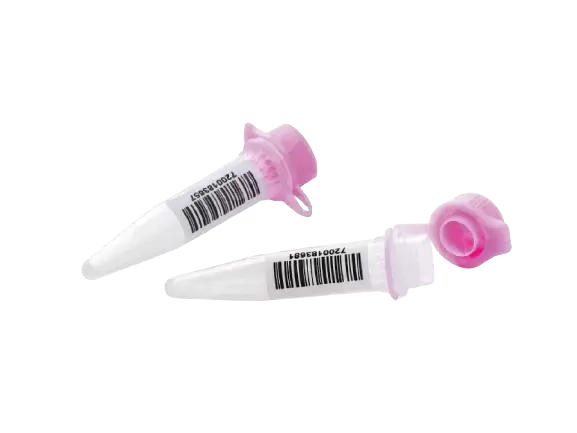
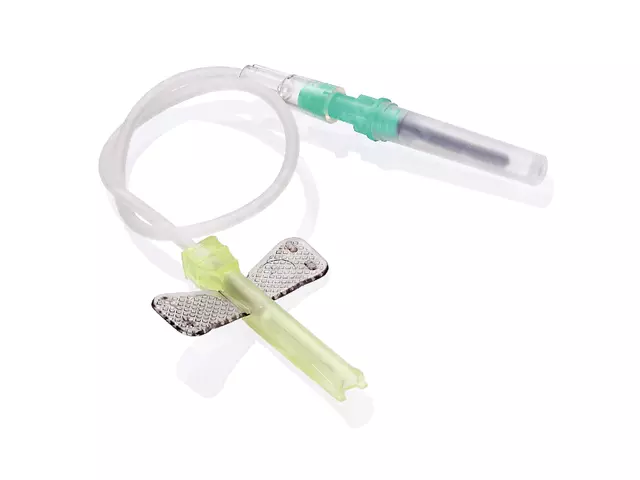
In clinical diagnostics and laboratory testing, the accuracy of blood sample collection plays a critical role in ensuring reliable test results. Among various blood collection devices, the sodium fluoride EDTA.K2 non vacuum tube is widely used for specific biochemical and hematological applications where precise preservation of blood components is essential. This type of tube is designed to inhibit glycolysis while maintaining sample stability, making it particularly valuable in glucose testing and related analyses.
Unlike vacuum blood collection systems, a sodium fluoride EDTA.K2 non vacuum tube allows controlled manual blood transfer, offering flexibility in settings where vacuum collection may not be suitable. In this article, we provide a comprehensive and practical overview of sodium fluoride EDTA.K2 non vacuum tubes, focusing on their function, usage scenarios, performance characteristics, and reasons they remain a trusted choice in modern laboratory workflows.
Understanding the Purpose of a Sodium Fluoride EDTA.K2 Non Vacuum Tube
The primary function of a sodium fluoride EDTA.K2 non vacuum tube is to preserve blood samples by preventing metabolic changes after collection. Blood cells continue to consume glucose through glycolysis even after being drawn from the body. Without proper inhibition, glucose levels can decrease rapidly, leading to inaccurate test results.
Sodium fluoride acts as a glycolysis inhibitor, while EDTA.K2 functions as an anticoagulant. Together, they ensure that blood samples remain chemically stable during handling and analysis. The non vacuum design allows medical professionals to manually control the blood volume introduced into the tube, which is particularly useful in specialized clinical environments.
This combination of additives and design makes the sodium fluoride EDTA.K2 non vacuum tube suitable for precise laboratory testing where sample integrity is critical.
How Sodium Fluoride and EDTA.K2 Work Together in Blood Preservation
Role of Sodium Fluoride in Glycolysis Inhibition
Sodium fluoride is widely recognized for its ability to inhibit enzymes involved in the glycolytic pathway. When blood is collected into a sodium fluoride EDTA.K2 non vacuum tube, sodium fluoride immediately slows down glucose metabolism within red blood cells.
This ensures that glucose concentrations remain stable for an extended period, allowing laboratories sufficient time to process samples without compromising result accuracy. This feature is particularly important in glucose tolerance tests and routine blood glucose measurements.
Role of EDTA.K2 as an Anticoagulant
EDTA.K2 prevents blood coagulation by chelating calcium ions, which are essential for the clotting process. In a sodium fluoride EDTA.K2 non vacuum tube, EDTA.K2 ensures that blood remains in a liquid state, enabling uniform mixing of additives and consistent sample analysis.
The anticoagulant properties of EDTA.K2 also help preserve cellular morphology, which is beneficial when samples are used for additional hematological assessments.
Key Characteristics of a Sodium Fluoride EDTA.K2 Non Vacuum Tube
Non Vacuum Design for Controlled Collection
Unlike vacuum tubes that rely on negative pressure to draw blood automatically, a sodium fluoride EDTA.K2 non vacuum tube requires manual blood transfer. This design allows healthcare professionals to adjust blood volume precisely, which can be advantageous in pediatric, geriatric, or specialized collection scenarios.
Manual collection also reduces the risk of hemolysis caused by excessive vacuum pressure, helping maintain sample quality.
Accurate Additive-to-Blood Ratio
Proper preservation depends on maintaining the correct ratio between blood volume and additives. Sodium fluoride EDTA.K2 non vacuum tubes are manufactured with carefully measured additive concentrations to ensure consistent performance when used according to recommended filling guidelines.
This accuracy supports reliable laboratory outcomes and minimizes pre-analytical variability.
Secure Sealing and Sample Safety
High-quality sodium fluoride EDTA.K2 non vacuum tubes are designed with secure caps to prevent leakage and contamination. Proper sealing also reduces exposure risks for healthcare workers during sample handling and transport.
Common Clinical Applications of Sodium Fluoride EDTA.K2 Non Vacuum Tubes
Blood Glucose Testing
One of the primary applications of a sodium fluoride EDTA.K2 non vacuum tube is blood glucose analysis. By inhibiting glycolysis, these tubes preserve glucose levels more effectively than tubes without sodium fluoride, making them essential for accurate diagnostic results.
Oral Glucose Tolerance Testing (OGTT)
In oral glucose tolerance testing, precise glucose measurement over time is crucial. Sodium fluoride EDTA.K2 non vacuum tubes ensure that collected samples reflect true physiological glucose levels at the time of collection, supporting accurate clinical interpretation.
Specialized Laboratory Settings
Non vacuum tubes are often used in laboratories or clinics where vacuum collection is not preferred or feasible. The sodium fluoride EDTA.K2 non vacuum tube provides flexibility while maintaining high standards of sample preservation.
Advantages of Using Sodium Fluoride EDTA.K2 Non Vacuum Tubes in Clinical Practice
Enhanced Sample Stability
The combination of sodium fluoride and EDTA.K2 significantly improves sample stability, particularly for glucose measurements. This allows laboratories more flexibility in sample processing timelines without compromising data integrity.
Reduced Pre-Analytical Errors
Pre-analytical variables are a major source of laboratory errors. By stabilizing glucose levels and preventing clotting, sodium fluoride EDTA.K2 non vacuum tubes help reduce variability introduced during sample handling and transport.
Compatibility with Standard Laboratory Equipment
Blood samples collected in sodium fluoride EDTA.K2 non vacuum tubes are compatible with most automated laboratory analyzers. This compatibility ensures seamless integration into existing laboratory workflows.
Proper Handling and Usage of Sodium Fluoride EDTA.K2 Non Vacuum Tubes
Correct Filling Technique
To ensure optimal performance, the sodium fluoride EDTA.K2 non vacuum tube should be filled to the recommended volume. Underfilling or overfilling may alter the additive-to-blood ratio, potentially affecting test results.
Mixing After Collection
After blood collection, gentle inversion of the tube is necessary to ensure thorough mixing of blood with sodium fluoride and EDTA.K2. Proper mixing prevents localized clotting and ensures uniform glycolysis inhibition.
Storage and Transport Considerations
Samples collected in sodium fluoride EDTA.K2 non vacuum tubes should be stored and transported according to laboratory guidelines. While the additives enhance stability, maintaining appropriate temperature conditions further supports sample integrity.
Quality and Manufacturing Standards
High-quality sodium fluoride EDTA.K2 non vacuum tubes are produced under strict manufacturing and quality control standards. This ensures consistent additive concentration, tube integrity, and performance reliability.
Medical distributors and healthcare providers should prioritize suppliers that follow recognized quality management systems, ensuring each sodium fluoride EDTA.K2 non vacuum tube meets clinical requirements and regulatory expectations.
Why Sodium Fluoride EDTA.K2 Non Vacuum Tubes Are Widely Trusted
The continued use of sodium fluoride EDTA.K2 non vacuum tubes in clinical laboratories is driven by their reliability, accuracy, and flexibility. By addressing both glycolysis inhibition and anticoagulation, these tubes support precise biochemical analysis while accommodating diverse collection environments.
Their non vacuum design provides additional control during sample collection, making them suitable for specialized clinical scenarios without sacrificing performance.
Practical Considerations for Medical Distributors and Laboratories
For distributors, offering sodium fluoride EDTA.K2 non vacuum tubes allows access to a stable and consistent demand segment within the diagnostic market. For laboratories, selecting the right tube supports accurate testing and efficient workflow management.
Clear labeling, proper storage, and staff training further enhance the effective use of sodium fluoride EDTA.K2 non vacuum tubes in routine clinical operations.
Final Thoughts
The sodium fluoride EDTA.K2 non vacuum tube is an essential blood collection device for accurate glucose testing and controlled sample preservation. Its ability to inhibit glycolysis, prevent coagulation, and support flexible collection methods makes it a reliable choice for modern clinical and laboratory environments.
By understanding its function, proper usage, and performance benefits, healthcare professionals and distributors can ensure consistent diagnostic accuracy and improved laboratory outcomes. Whether used in routine testing or specialized applications, sodium fluoride EDTA.K2 non vacuum tubes remain a dependable component of effective blood sample management.