In modern healthcare, laboratory diagnostics play a critical role in disease detection, patient monitoring, and treatment planning. As diagnostic technologies continue to advance, the demand for efficient, accurate, and patient-friendly blood collection methods has grown significantly. This is particularly true in pediatric testing, geriatric care, point-of-care diagnostics, and situations where venous blood collection is difficult or impractical.
Among the many innovations in blood collection technology, the cross incision micro blood collection tube has emerged as a highly effective solution for capillary blood sampling. Designed to improve collection efficiency, minimize sample loss, and enhance user convenience, these specialized micro collection tubes are widely used in hospitals, diagnostic laboratories, clinics, research institutions, and home healthcare applications.
This comprehensive guide explores the design, functionality, advantages, applications, manufacturing standards, and purchasing considerations of cross incision micro blood collection tubes.
What Is a Cross Incision Micro Blood Collection Tube?
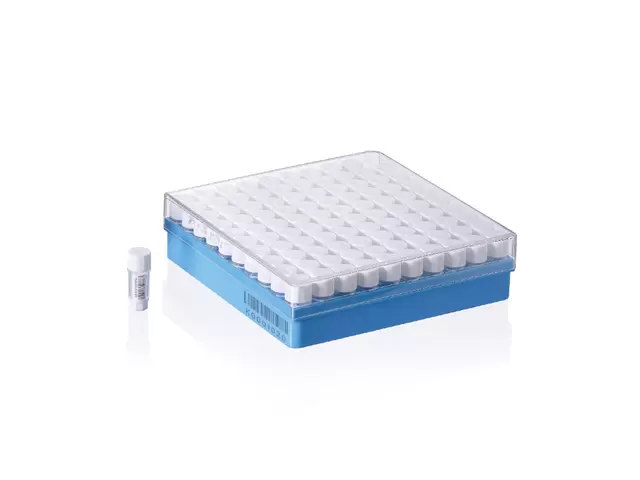
A cross incision micro blood collection tube is a specialized capillary blood collection device designed to collect small-volume blood samples efficiently and safely.
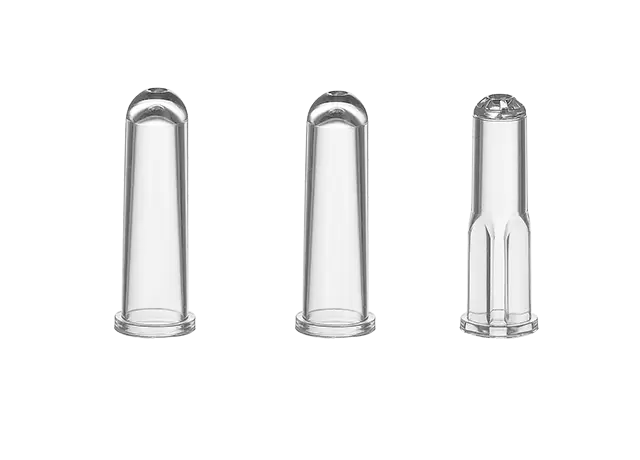
Unlike traditional micro collection tubes, this design incorporates a precision-engineered cross-shaped incision within the collection cap or membrane structure. The cross incision creates an optimized entry point that facilitates rapid capillary blood transfer while reducing the risk of leakage, contamination, and sample waste.
These tubes are commonly used for:
Capillary blood collection
Pediatric testing
Neonatal screening
Point-of-care diagnostics
Home healthcare monitoring
Small-volume laboratory testing
Fingerstick blood collection
The cross incision design improves collection efficiency while helping maintain specimen integrity throughout the collection process.
Why Micro Blood Collection Matters
Many diagnostic procedures require only small amounts of blood.
Traditional venous blood collection may not always be the most practical solution for:
Micro blood collection offers several advantages:
Reduced patient discomfort
Faster sample acquisition
Lower blood volume requirements
Improved patient compliance
Simplified collection procedures
As healthcare providers increasingly focus on patient-centered care, micro blood collection systems continue to gain popularity worldwide.
Understanding the Cross Incision Design
The defining feature of a cross incision micro blood collection tube is its specially engineered cross-shaped opening.
Enhanced Sample Entry
The cross incision creates multiple flexible entry pathways that allow blood to flow smoothly into the collection tube.
Benefits include:
Leak Prevention
When no external pressure is applied, the cross incision naturally closes, helping prevent leakage during handling and transportation.
This self-sealing characteristic improves sample security and reduces contamination risks.
Reduced Aerosol Generation
Traditional open collection methods can sometimes generate droplets or aerosols.
The controlled entry provided by the cross incision design helps minimize exposure risks for healthcare workers.
Improved User Experience
The design allows healthcare professionals to collect samples more efficiently, reducing collection time and improving workflow productivity.
Key Components of a Cross Incision Micro Blood Collection Tube
A high-quality cross incision micro blood collection tube consists of several precision-engineered components.
Collection Tube Body
The tube body is typically manufactured from medical-grade plastic materials.
Common characteristics include:
High transparency
Chemical resistance
Biocompatibility
Sample visibility
The transparent structure allows users to monitor sample volume during collection.
Cross Incision Cap
The cross incision cap is the most important component of the system.
Its design provides:
Precision manufacturing is essential to ensure consistent performance.
Additives
Depending on the intended application, tubes may contain various additives.
Examples include:
EDTA
Heparin
Clot activators
Gel separators
Fluoride additives
The choice of additive depends on the specific diagnostic requirements.
Labeling Area
Proper specimen identification is critical in clinical diagnostics.
Most cross incision micro blood collection tubes feature dedicated labeling zones for:
Patient identification
Sample tracking
Laboratory processing
Benefits of Cross Incision Micro Blood Collection Tubes
Improved Collection Efficiency
One of the primary advantages is faster blood transfer into the tube.
The optimized opening design facilitates smooth sample entry while minimizing collection difficulties.
Reduced Sample Loss
Small-volume specimens are particularly vulnerable to sample loss.
The cross incision structure helps maximize specimen recovery and collection accuracy.
Better Sample Integrity
Accurate laboratory results depend on specimen quality.
Cross incision micro blood collection tubes help preserve:
Sample volume
Specimen purity
Analytical accuracy
Enhanced Patient Comfort
Because capillary collection requires only small blood volumes, patients often experience less discomfort compared with traditional venipuncture.
Greater Safety
The partially sealed collection system helps reduce direct exposure to biological samples, improving safety for healthcare personnel.
Applications of Cross Incision Micro Blood Collection Tubes
Pediatric Blood Collection
Children often present challenges for traditional venous blood collection.
Cross incision micro blood collection tubes are widely used for:
The smaller sample requirements improve patient comfort and compliance.
Neonatal Screening
Newborn screening programs frequently rely on capillary blood samples.
The cross incision micro blood collection tube supports efficient specimen collection while minimizing blood volume requirements.
Geriatric Healthcare
Elderly patients may have fragile veins or limited venous access.
Micro collection systems provide a practical alternative for routine testing.
Point-of-Care Testing
Rapid diagnostic testing often requires small blood samples.
Applications include:
Glucose monitoring
Infectious disease testing
Cardiac marker assessment
Portable diagnostic systems
Home Healthcare
Growing demand for decentralized healthcare has increased the need for user-friendly collection devices.
Cross incision micro blood collection tubes support:
Importance of Accurate Capillary Blood Collection
Laboratory accuracy begins with proper specimen collection.
Poor collection techniques can result in:
Hemolysis
Clot formation
Insufficient volume
Contaminated samples
The design of a cross incision micro blood collection tube helps minimize these risks by promoting controlled and efficient specimen transfer.
Manufacturing Standards and Quality Requirements
Medical blood collection products must comply with strict regulatory requirements.
Medical-Grade Materials
Manufacturers typically utilize:
These materials ensure safety and compatibility with biological samples.
Precision Manufacturing
Cross incision geometry must be manufactured with extremely tight tolerances.
Consistency is essential to ensure:
Reliable sample entry
Leak resistance
Reproducible performance
Sterilization
Most micro blood collection tubes undergo validated sterilization processes.
Common methods include:
Proper sterilization ensures patient safety and product integrity.
Quality Control
Comprehensive inspection procedures typically include:
Dimensional verification
Leak testing
Additive validation
Visual inspection
Functional testing
How Cross Incision Technology Improves Laboratory Workflow
Laboratories process thousands of specimens daily.
Efficient specimen handling contributes directly to productivity.
Cross incision micro blood collection tubes offer several workflow advantages.
Faster Collection
Reduced collection time improves patient throughput.
Reduced Handling Errors
The controlled sample entry design simplifies specimen acquisition.
Improved Transportation Safety
Leak-resistant characteristics help protect specimens during transport.
Enhanced Automation Compatibility
Many modern micro collection systems are designed to integrate seamlessly into laboratory processing workflows.
Selecting the Right Cross Incision Micro Blood Collection Tube Supplier
Choosing the right manufacturer is essential for healthcare providers and distributors.
Regulatory Compliance
Look for suppliers that comply with:
Manufacturing Experience
Experienced manufacturers generally offer:
Stable product quality
Reliable supply chains
Technical expertise
Product Consistency
Consistency is particularly important in medical devices.
High-quality manufacturers maintain strict production controls to ensure reliable performance.
Customization Capability
Some healthcare organizations require customized solutions.
Potential options include:
Custom labeling
Specialized additives
OEM branding
Unique packaging formats
Global Distribution Support
International buyers benefit from suppliers with established export experience and regulatory knowledge.
Future Trends in Micro Blood Collection Technology
The blood collection industry continues to evolve rapidly.
Several trends are shaping future product development.
Increased Point-of-Care Testing
Portable diagnostics will continue driving demand for micro collection solutions.
Home-Based Diagnostics
Remote healthcare models are expanding worldwide.
Cross incision micro blood collection tubes support decentralized testing environments.
Automation Integration
Future collection devices will increasingly align with automated laboratory systems.
Improved Sample Preservation
Advanced materials and additives will further enhance specimen stability.
Patient-Centered Design
Manufacturers will continue developing solutions that improve comfort, convenience, and safety.
Why Healthcare Professionals Prefer Cross Incision Micro Blood Collection Tubes
Healthcare providers value products that improve both patient outcomes and operational efficiency.
Cross incision micro blood collection tubes offer:
Reliable specimen collection
Improved safety
Enhanced workflow efficiency
Better patient comfort
Reduced sample waste
Consistent diagnostic performance
These advantages make them an increasingly popular choice across clinical and laboratory environments.
Conclusion
The cross incision micro blood collection tube represents a significant advancement in capillary blood collection technology. By combining innovative cross incision design, efficient sample transfer, leakage prevention, and improved user safety, these devices provide healthcare professionals with a reliable solution for modern diagnostic applications.
Whether used in pediatric testing, neonatal screening, point-of-care diagnostics, laboratory medicine, or home healthcare programs, cross incision micro blood collection tubes help ensure accurate specimen collection while enhancing patient comfort and workflow efficiency. As healthcare continues to move toward more patient-friendly and decentralized testing models, demand for advanced micro blood collection solutions is expected to grow steadily worldwide.