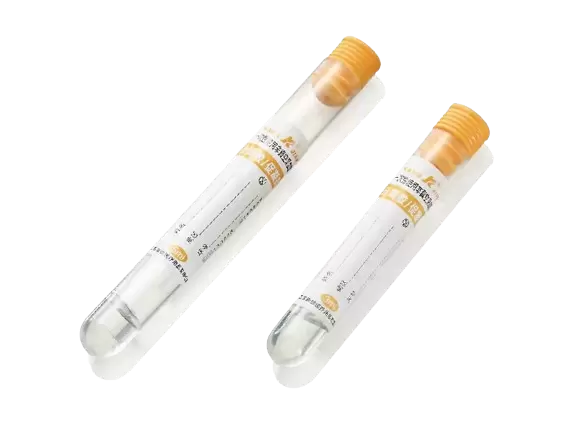
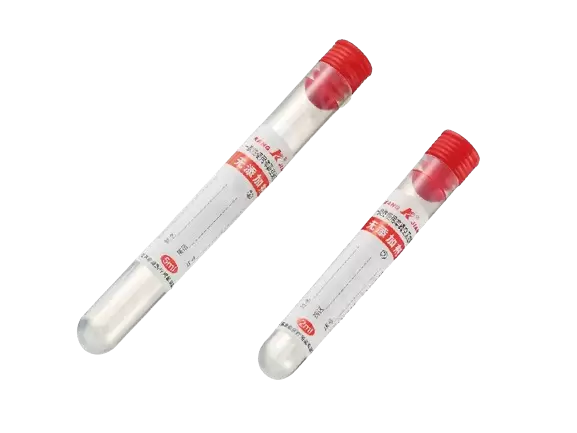
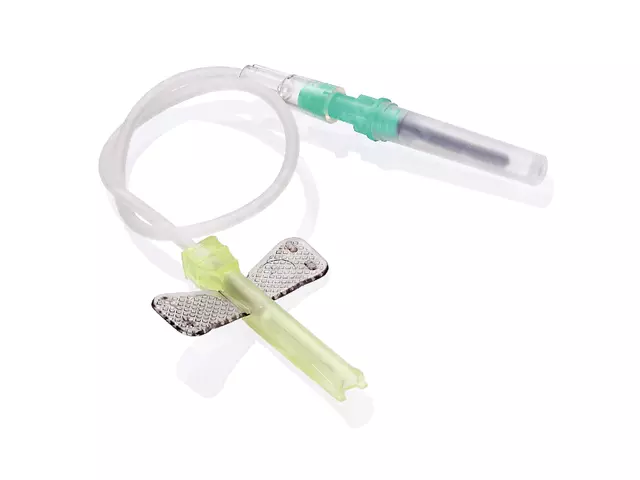
Blood collection methods vary according to patient conditions, sampling requirements, and clinical workflow. A non vacuum blood collection tube provides an alternative to conventional evacuated tubes by relying on controlled manual blood collection rather than a predefined vacuum inside the tube.
This design can be useful in healthcare environments where flexible blood draw procedures, specific sample volumes, or compatibility with different collection methods are required. For medical product manufacturers and distributors, understanding the tube structure and intended application is important when developing or sourcing suitable blood collection products.
What Is a Non Vacuum Blood Collection Tube?
A non vacuum blood collection tube is a blood specimen container that does not depend on internal negative pressure to draw blood from the patient. Instead, blood is transferred into the tube through a compatible collection device and controlled by the healthcare professional.
How the Collection Method Works
Unlike evacuated blood collection tubes, a non-vacuum design does not automatically pull blood into the tube. The sample enters through a needle, transfer device, or other appropriate collection method, depending on the clinical procedure.
This approach gives healthcare professionals greater control over the amount of blood transferred. It can be particularly useful when the required sample volume is relatively small or when the standard evacuated-tube process is not suitable for the procedure.
Tube Additives and Sample Requirements
The tube can be manufactured with different internal additives according to the intended laboratory test. Depending on the application, this may include anticoagulant-treated tubes, serum tubes, or other specimen-processing configurations.
The additive, tube material, fill volume, and labeling should be matched with the intended testing procedure. Proper selection helps maintain sample integrity from collection through laboratory processing.
Key Design Considerations for a Non Vacuum Blood Collection Tube
The performance of a blood collection tube depends on more than whether it uses vacuum. Material selection, closure design, additive distribution, and dimensional consistency can all affect sample handling.
Tube Material and Closure
Common tube materials are selected according to requirements such as transparency, chemical compatibility, mechanical strength, and laboratory handling. The stopper or cap should provide a secure seal while allowing appropriate access during sample collection and testing.
For manufacturers, consistent molding and assembly are important because dimensional variation can affect compatibility with holders, racks, centrifuges, and automated laboratory equipment.
Sample Volume and Additive Ratio
Because a non vacuum blood collection tube does not use a predetermined vacuum to control filling, the collection process may allow more flexibility in sample volume. However, tubes containing anticoagulants still require appropriate blood-to-additive ratios for the relevant laboratory procedure.
Manufacturers should therefore clearly define nominal capacity, recommended fill volume, additive type, and intended testing requirements for each tube configuration.
Sample Identification and Handling
Clear tube identification is important throughout the laboratory workflow. Labeling areas, barcode compatibility, cap identification, and transparent tube walls can support sample tracking and visual inspection.
A practical design should also consider centrifugation, transport, storage, and specimen processing requirements rather than focusing only on the collection stage.
Where Is a Non Vacuum Blood Collection Tube Used?
The non-vacuum format can be considered for different blood sampling workflows where controlled transfer is more appropriate than an evacuated collection system.
Pediatric and Low-Volume Sampling
Small-volume blood collection can present specific handling requirements. A non-vacuum tube allows the operator to control how much blood is transferred, which can be useful for certain pediatric or low-volume sampling procedures.
The appropriate tube size and additive configuration should still be determined according to the laboratory test and sample requirements.
Specialized Clinical Sampling
Some clinical procedures may use collection methods that do not require conventional evacuated tubes. In these situations, a non vacuum blood collection tube can provide a compatible container for receiving and processing the collected specimen.
Its suitability depends on the collection device, specimen type, laboratory method, and applicable clinical protocols.
Laboratory and Sample Processing Workflows
After collection, blood specimens may require centrifugation, separation, transport, or temporary storage. Tube construction and closure performance therefore need to remain suitable throughout the intended workflow.
For B2B buyers, compatibility with existing laboratory equipment and sample-processing procedures should be evaluated before selecting a particular tube specification.
What Should B2B Buyers Consider When Sourcing Non Vacuum Blood Collection Tubes?
For hospitals, laboratories, distributors, and medical supply companies, sourcing decisions should consider both product performance and manufacturing consistency. A suitable supplier should be able to provide stable tube dimensions, reliable closure performance, consistent additives, and controlled production quality.
Manufacturing Quality and Batch Consistency
Blood collection tubes are used in procedures where specimen integrity matters, so manufacturing consistency is essential. Tube dimensions, wall thickness, cap fit, additive distribution, and appearance should remain within defined specifications across production batches.
Quality control should cover raw materials, molding, assembly, additive treatment, sealing, packaging, and finished-product inspection.
Custom Specifications and Regulatory Requirements
Different markets and clinical workflows may require different tube sizes, additives, colors, labeling formats, and packaging configurations. OEM and ODM manufacturing can provide greater flexibility when standard products do not fully match a buyer's requirements.
Medical device regulations and applicable standards should also be considered according to the destination market and intended use. Documentation, traceability, and quality management capabilities are important factors when establishing a long-term B2B supply relationship.
Conclusion
A non vacuum blood collection tube provides a controlled alternative to evacuated blood collection systems and can support specific clinical and laboratory sampling requirements. Its value comes from the combination of controlled sample transfer, appropriate tube configuration, and compatibility with downstream specimen processing.
For professional buyers, evaluating tube material, additives, sample volume, closure performance, manufacturing consistency, and regulatory requirements can help ensure that the selected product fits the intended blood collection workflow.