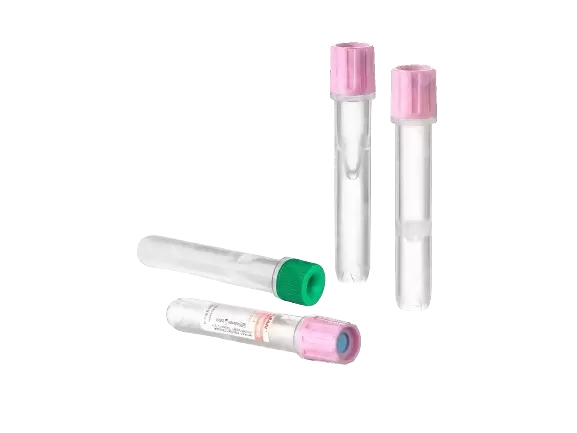
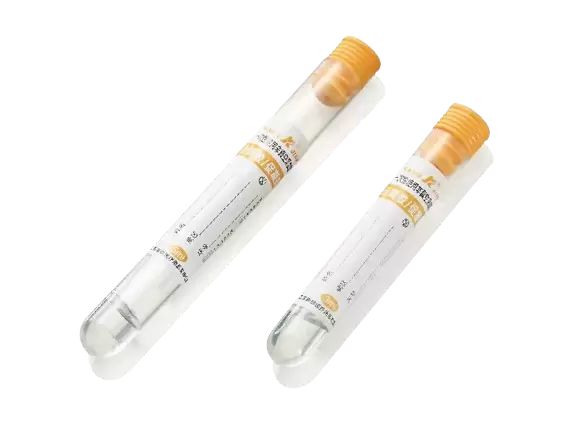
Capillary blood collection tubes are widely used in clinical laboratories, point-of-care testing, and diagnostic settings where small blood volumes are required. Their performance directly affects sample integrity, handling efficiency, and the reliability of laboratory results.
For medical device manufacturers, distributors, and laboratory procurement teams, selecting suitable collection tubes involves understanding material compatibility, sample handling, sealing performance, and manufacturing consistency. This article examines the key considerations that influence capillary blood collection tube quality and reliability.
Sample Collection and Handling Requirements for Capillary Blood Collection Tubes
Capillary blood collection tubes are designed to collect and transfer small blood samples obtained through skin puncture. Because sample volumes are limited, proper collection and handling are essential to reduce contamination, clotting, and sample loss.
Blood Volume Accuracy and Collection Efficiency
Accurate sample volume is important for diagnostic testing, particularly when laboratory procedures require specific blood-to-reagent ratios. Capillary blood collection tubes should provide clearly defined volume capacities to support consistent sample collection.
Tube dimensions, internal surface characteristics, and collection design can influence how efficiently blood enters and remains inside the tube. Manufacturers need to maintain dimensional consistency to reduce variations during clinical use.
Sample Transfer and Handling Stability
After collection, blood samples may need to be transferred to analyzers, testing cartridges, or other laboratory containers. Capillary blood collection tubes should support convenient handling while minimizing leakage, spillage, and unnecessary exposure to the external environment.
A suitable tube design also helps laboratory personnel manage small-volume samples more efficiently, especially when multiple specimens are processed within a limited period.
Material and Design Considerations for Capillary Blood Collection Tubes
Material selection and tube construction influence sample compatibility, durability, and handling performance. These factors are particularly important because capillary blood samples are sensitive to contamination and changes in sample condition.
Plastic and Glass Tube Materials
Capillary blood collection tubes are commonly manufactured from specialized plastics or glass, depending on the intended testing requirements.
Plastic tubes are lightweight and generally offer good impact resistance, making them suitable for routine handling and disposable medical applications. Glass tubes provide dimensional stability and chemical resistance but require careful handling because of their brittleness.
Regardless of the selected material, manufacturers must evaluate chemical compatibility, surface quality, and potential interactions with blood components. Material selection should also account for applicable medical device requirements and the intended diagnostic procedure.
Tube Dimensions and Closure Design
The internal diameter, length, wall thickness, and overall capacity of capillary blood collection tubes affect sample collection and handling. Consistent dimensions help ensure compatibility with laboratory equipment and associated accessories.
Closure design is equally important. A properly fitted cap or sealing component helps reduce leakage, evaporation, and external contamination during storage and transportation. Manufacturers should verify closure performance under relevant handling and storage conditions.
Factors Affecting Capillary Blood Collection Tube Sample Quality
Sample quality is influenced by both the collection process and the characteristics of the collection tube. Even a well-manufactured tube cannot compensate for poor sampling technique or unsuitable storage conditions.
Anticoagulant Selection and Compatibility
Some capillary blood collection tubes contain anticoagulants to prevent clot formation before testing. Common additives include EDTA and heparin, with the appropriate choice depending on the intended diagnostic application.
EDTA is commonly used for hematology testing because it helps preserve blood cell characteristics. Heparin-treated tubes may be used for certain blood chemistry analyses.
The additive type and concentration must be compatible with the required sample volume and testing method. Incorrect additive ratios can affect test results, making controlled manufacturing and accurate filling processes essential.
Contamination Prevention and Sample Integrity
Capillary blood samples can be affected by external contaminants, tissue fluid, and improper collection procedures. Collection tubes should be manufactured and packaged under controlled conditions to reduce contamination risks.
Surface cleanliness, additive uniformity, and packaging integrity all contribute to maintaining sample quality. Medical laboratories should also follow appropriate collection procedures to minimize hemolysis and other pre-analytical errors.
Storage Conditions and Sample Stability
Temperature, storage duration, and exposure to environmental conditions can influence blood sample stability. Different diagnostic tests may have different requirements for specimen storage and processing.
Capillary blood collection tubes should therefore be used and stored according to the manufacturer's instructions and the relevant laboratory testing protocols. Clear labeling and appropriate packaging help support specimen identification and handling throughout the testing process.
Quality Control in Capillary Blood Collection Tube Manufacturing
Manufacturing consistency is essential for capillary blood collection tubes because dimensional variations, material defects, or inconsistent additives can affect clinical handling and diagnostic reliability.
Dimensional Accuracy and Physical Performance
Manufacturers should maintain strict control over tube length, diameter, wall thickness, and nominal collection volume. Visual inspection and dimensional testing help identify defects that may interfere with filling, closure, or compatibility with laboratory equipment.
Leakage resistance, closure fit, and mechanical integrity should also be evaluated. These checks help ensure that capillary blood collection tubes remain suitable for routine specimen handling and transportation.
Sterility, Packaging, and Regulatory Compliance
When a capillary blood collection tube is supplied as a sterile medical device, validated sterilization processes and packaging integrity are essential. The manufacturing process should include appropriate controls to maintain sterility throughout the specified shelf life.
Regulatory requirements depend on the intended market and product classification. Manufacturers should establish relevant quality management procedures and ensure that product documentation, labeling, and testing align with applicable medical device regulations.
For procurement teams, reviewing manufacturing quality controls, batch traceability, and supporting compliance documentation helps assess supplier reliability.
Conclusion
Capillary blood collection tube performance depends on accurate sample collection, suitable material selection, effective sealing, and consistent manufacturing quality. Anticoagulant compatibility, contamination prevention, and appropriate storage conditions are also essential for maintaining specimen integrity.
For medical device distributors and laboratory buyers, working with an experienced manufacturer helps ensure consistent product quality, reliable supply, and collection tubes suited to specific diagnostic requirements.