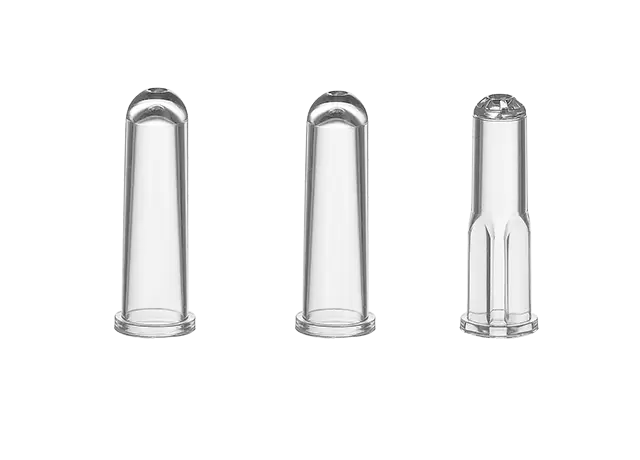
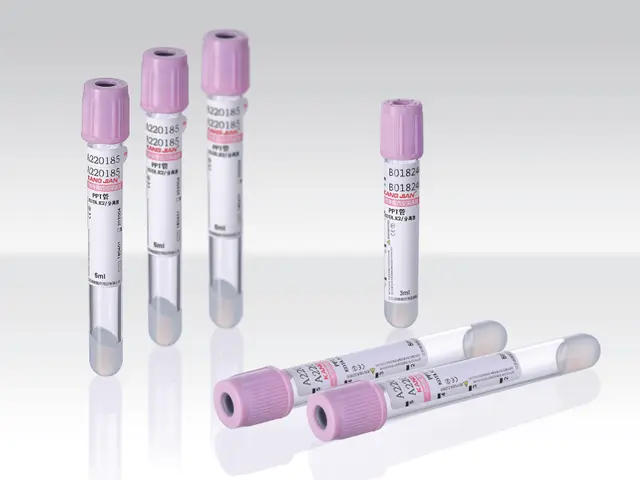
Accurate laboratory testing begins with reliable blood sample collection. A vacuum blood collection tube is designed to draw, contain, and preserve blood specimens under controlled conditions, helping healthcare professionals maintain consistency throughout the pre-analytical stage of diagnostic testing. Its performance can influence sample quality, laboratory workflow, and the reliability of downstream analysis.
For hospitals, diagnostic laboratories, medical distributors, and healthcare product suppliers, selecting an appropriate vacuum blood collection tube requires attention to tube materials, additive formulations, vacuum consistency, and compatibility with laboratory procedures. These factors help ensure that specimens are collected and handled according to the requirements of each test.
Vacuum Blood Collection Tube Design and Material Selection
A vacuum blood collection tube typically consists of a tube body, a stopper, and a cap. The tube contains a predetermined vacuum that draws blood into the container when it is connected to a compatible blood collection needle and holder. This closed collection process helps standardize sample volume and reduce direct exposure to the specimen.
Tube materials are selected according to the intended use, manufacturing requirements, and applicable medical device standards. Glass and medical-grade plastic, such as PET, may be used in different product designs. The tube body needs suitable transparency, dimensional consistency, and resistance to the handling conditions expected during collection, transport, and laboratory processing.
The stopper must provide a secure seal while allowing appropriate needle penetration and maintaining the tube's vacuum performance during its intended shelf life. Consistent assembly and sealing quality are therefore important manufacturing considerations.
Vacuum Blood Collection Tube Types and Additive Formulations
Different laboratory tests require different specimen conditions, so vacuum blood collection tubes are available with various additives and internal treatments. The tube type is generally identified by its intended application and cap color, although color conventions can vary by manufacturer and market. The product label and instructions for use should always be checked.
EDTA tubes are commonly used for hematology testing because the additive helps prevent coagulation. Citrate tubes are used for specified coagulation tests, with the blood-to-additive ratio being particularly important for test accuracy. Serum tubes may contain a clot activator, while serum separator tubes include a gel barrier intended to separate serum from blood cells after centrifugation.
Heparin tubes are used for certain plasma chemistry tests, while fluoride-containing tubes may be specified for particular glucose testing procedures. Each additive serves a different purpose and is not interchangeable across all laboratory tests. Choosing the correct vacuum blood collection tube helps laboratories obtain specimens that meet the analytical requirements of the intended procedure.
Quality Requirements for Vacuum Blood Collection Tubes
Vacuum consistency is essential for obtaining the intended blood volume. Deviations can affect the ratio between blood and additive, potentially compromising specimen suitability. Manufacturers therefore need controlled production processes for tube forming, additive dosing, vacuum creation, stopper insertion, and final sealing.
Additive distribution and concentration also require careful control. Inadequate mixing after collection, incorrect fill volume, or an unsuitable tube type can contribute to specimen problems. Clear labeling, legible lot identification, and appropriate packaging help users identify products correctly and maintain traceability.
Quality evaluation may include checks for dimensions, vacuum performance, leakage, tube integrity, additive quantity, and compatibility with designated collection systems. Relevant performance and safety requirements depend on the product design, intended use, destination market, and applicable regulatory framework. For medical distributors and healthcare procurement teams, reviewing technical documentation and the manufacturer's quality management arrangements is an important part of supplier assessment.
Vacuum Blood Collection Tube Supply and Customization for Medical Buyers
Hospitals, laboratories, and medical distributors often need a consistent supply of vacuum blood collection tubes across multiple test categories. Procurement requirements may include tube volume, material, additive type, cap color, labeling language, packaging configuration, and compatibility with existing collection equipment.
For OEM or private-label orders, buyers should confirm which specifications can be customized and which must remain aligned with validated product designs. Any changes to additives, materials, vacuum levels, or packaging should be assessed for their effect on product performance and regulatory compliance rather than treated as simple cosmetic modifications.
Reliable supply also depends on production consistency, batch traceability, shelf-life documentation, and suitable storage and transport conditions. Working with a qualified manufacturer that can provide clear technical specifications and supporting documentation helps medical buyers manage procurement risks and maintain consistent collection workflows.
Conclusion
A vacuum blood collection tube is an important part of the clinical diagnostic process, supporting standardized blood collection and appropriate specimen handling. Selecting the right tube involves matching the additive formulation and material design to the intended test while verifying vacuum performance, sealing integrity, labeling, and regulatory requirements. For healthcare providers and medical product distributors, dependable manufacturing quality and clear product documentation are essential to maintaining consistent specimen collection practices.